Every seasoned farmer knows that farming isn’t a job you clock in and out of. Their land feeds families, pays bills, and requires effort from sunup to sundown. This farmer had asked nicely several times for people to stop parking their cars in his fields during Sunday market runs.
Sadly, nothing changed. The engines kept coming, and the tires cut through the soil as usual. Eventually, he stopped asking. He didn’t yell or threaten. Instead, he made a unique decision that would leave some drivers stunned and angry while earning him the admiration of others who heard of his plight.
Meet Davao Bedekovic, The Farmer
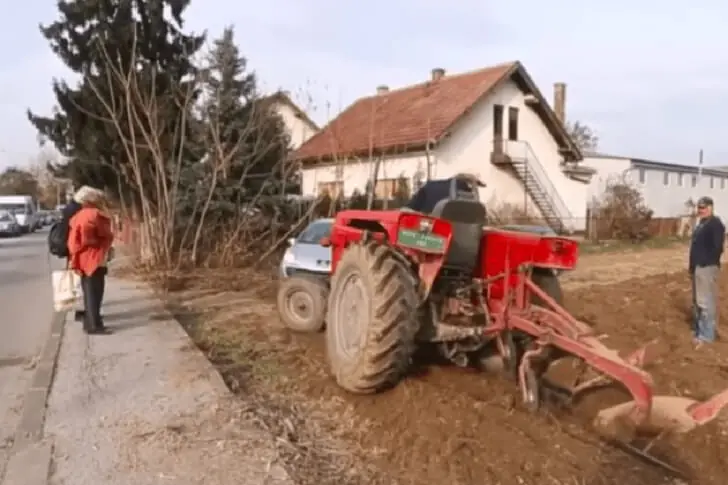
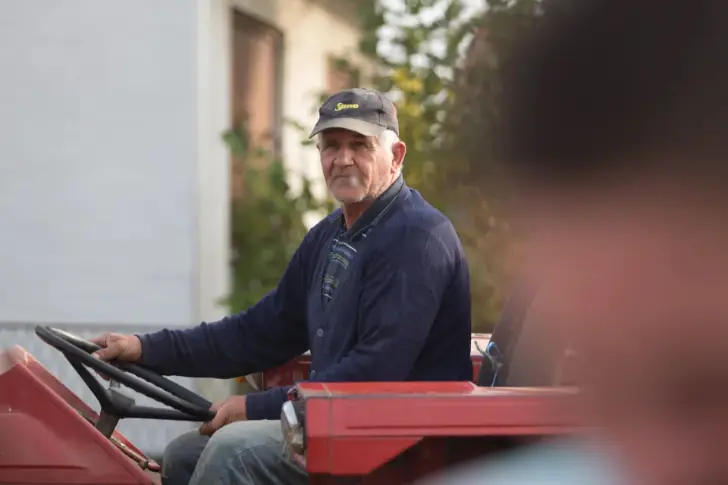
Davao Bedekovic spent years working the same patch of land and now knew the soil like the lines on his hands. The farm wasn’t flashy, but it kept his family fed and his town supplied. His produce was the talk of the city, especially after agricultural fairs where he would proudly display his heirloom tomatoes.
He wasn’t the kind of man who looked for attention. But attention found him anyway. One quiet yet important act, caught on camera, turned the tide. Within days, his story spread far beyond the town, and a humble farmer became an unlikely viral sensation.
More Than a Farm
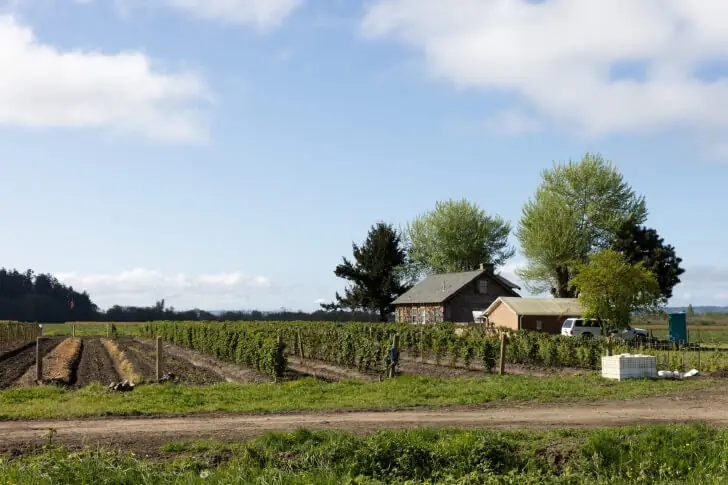
Davao’s farm wasn’t just a piece of land. His father had worked on the same soil and ensured his son had grown up alongside him, learning how to farm until it was his turn at 23. Unlike other farmers specializing in one crop, Davao planted maize, wheat, and tomatoes, becoming the town’s reliable food source.
Over the years, he earned the trust and affection of the locals. But as peaceful as his life had been, he had no idea that the very town he’d lived in all his life and cared for was about to challenge everything he’d worked so hard to build.
An Unforeseen Downside
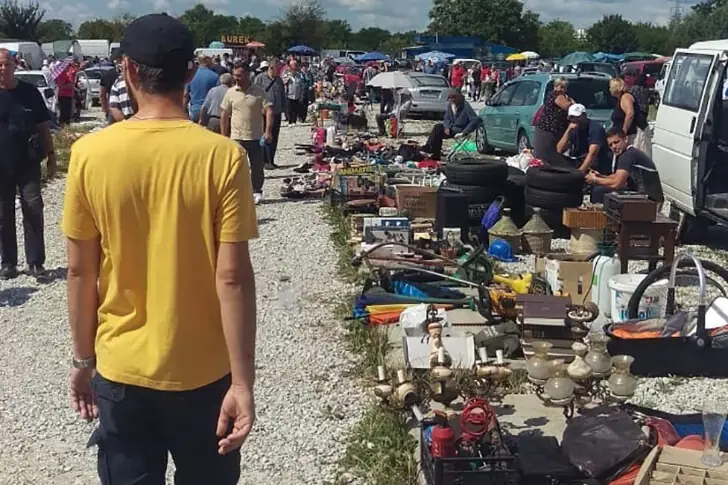
Several changes have occurred since Davao’s neighborhood of Jakuševac got integrated into the capital, Zagreb. Depending on who you asked, some changes were positive and some negative. What used to be quiet farmland became a weekend magnet for bargain hunters chasing flea market deals. Every Sunday, the crowds swell as people pick through piles of secondhand goods.
Locals selling trinkets made extra money. But for farmers like Davao, it was a headache. His field, once untouched, became a makeshift parking free-for-all. Shoppers weren’t thinking about soil or crops. Instead, they were thinking about deals and mentally calculating the profits they were about to make.
Farm Becomes Prime Parking Spot
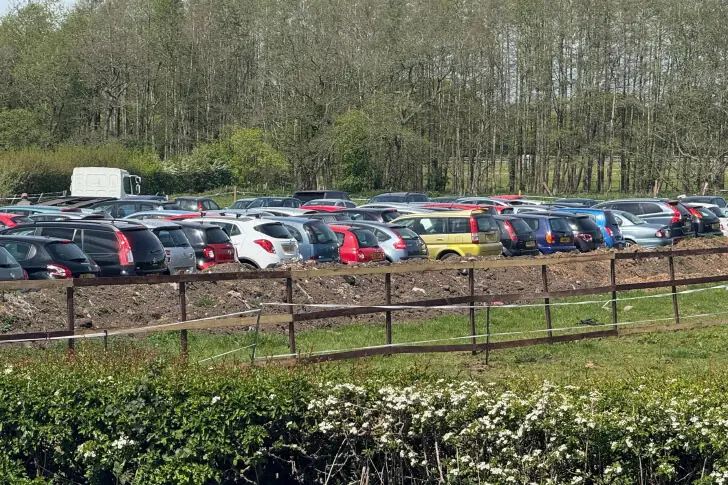
Jakuševac’s flea market drew record crowds every week, but the small town wasn’t ready for the flood of cars that came with it. The official parking lot filled up quickly, leaving visitors scrambling for spots anywhere they could find.
It didn’t take long before cars began spilling onto nearby streets, especially Davao Bedekovic’s farm across the road. What started as a few scattered vehicles quickly became a steady stream of tires pressing into his soil. It was more than inconvenient for a farmer who relied on that land. It was a growing problem no one seemed to notice except him.
Why the Fuss?
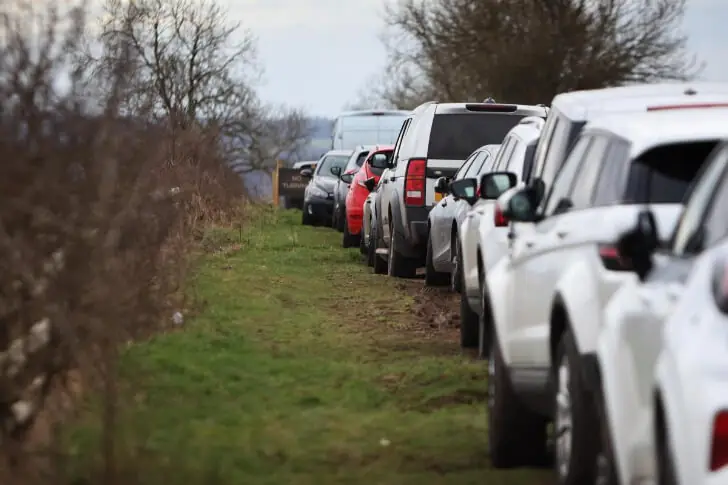
Davao’s farm sat on a vast expanse of land, making it an easy target for drivers hunting for a quick parking spot. Most folks thought a few hours parked there couldn’t hurt, especially since everyone else was doing it. But the farmer had pleaded quietly, again and again, for shoppers to respect his land.
To him, those parked cars weren’t harmless. While most see danger only in moving vehicles, Davao knew better. The most obvious reasons were the weight of these vehicles pressing down and the scars they left behind. Every patch of earth matters to a farmer, and his patience was wearing thin.
A Bigger Issue
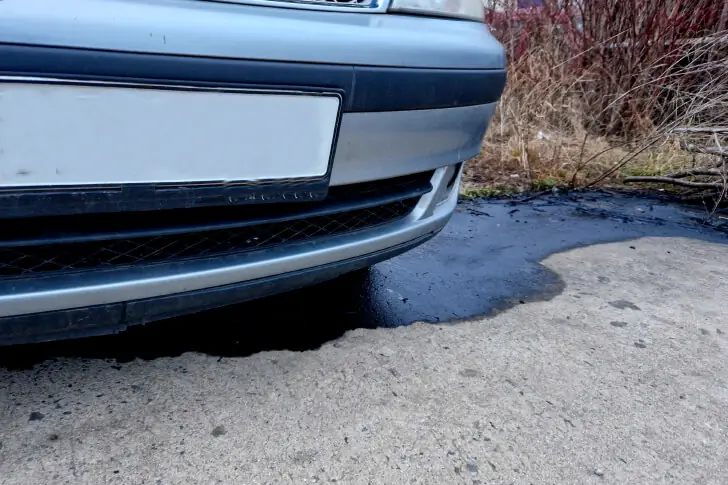
After Davao’s revenge video exploded online, not everyone applauded. Some critics said he’d crossed a line, that his actions were too harsh. But those voices missed the bigger picture. His frustration wasn’t just about tire marks or a few scuffed patches of earth.
The real threat came from the oil leaking out of parked cars. It was slow poison for his farm’s fertile soil. Every drip seeped deeper, damaging the land that fed his family and community. For Davao, this wasn’t about a parking dispute. It was about protecting a livelihood on the brink, and sometimes, grace runs out.
An Old Enemy
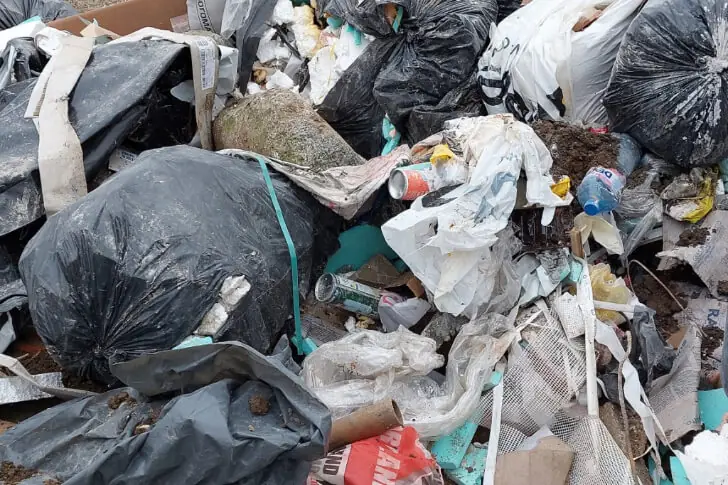
People might’ve thought Davao was quick to anger, but patience was a virtue he had in abundance. His farm wasn’t just any patch of earth; it was near one of Zagreb’s largest landfills. The dumpsite gradually poisoned his water source and the soil he depended on.
The local farmers’ union had initiated efforts to curb the damage. Still, waste and toxins seeped in inevitably, like an invisible enemy wearing down Davao’s livelihood. For him, every car parked carelessly was one more risk stacked against him. His frustration wasn’t out of place, and the weight of fighting a battle most people couldn’t see.
Poison Buried Deep Underground
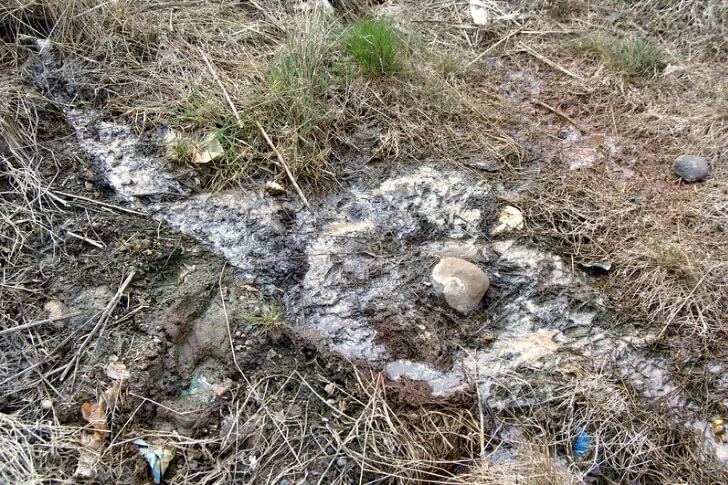
One of the hidden dangers Davao faced was something few understood: leachate. It’s a toxic liquid that forms when rainwater filters through the landfill’s layers of trash. Although it contains much-needed nitrogen, it also picks up harmful chemicals like methane, which is known to inhibit plant growth.
Once it hits the ground, it doesn’t just sit on the surface. Instead, it seeps deep into the soil, poisoning everything in its path. For years, it put everything Davao worked to grow at risk. For farmers like him, this was the quiet killer as it gave few warning signs, just crops that stopped thriving and fields that slowly died.
A Farm on the Brink
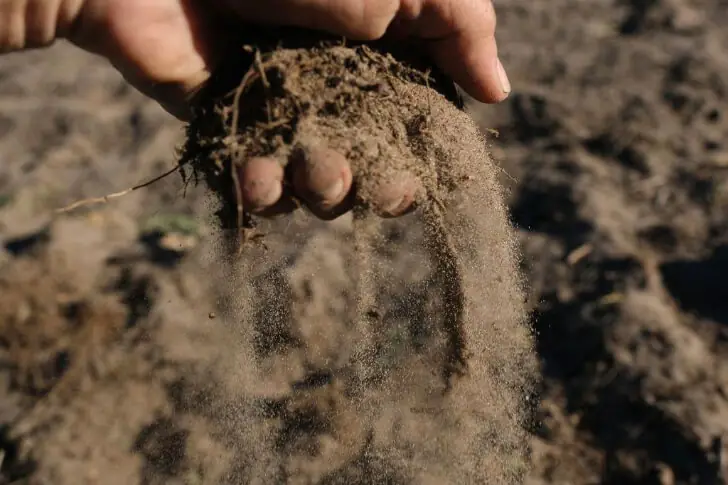
Davao’s land suffered from nutrient depletion due to the nearby landfill. He was battling several challenges and didn’t need anyone compounding them with leaking oil and other toxins into the soil. What had once been a fertile, thriving portion of land now required constant attention.
Where his crops had flourished before, he used more fertilizer than ever to coax a decent harvest. The ground, once his pride, had become a constant battle. Every day, he watched his field fight to survive, but each time someone parked there, it felt like one more blow to something dear to him, and he was on the brink of collapse.
A New Strategy
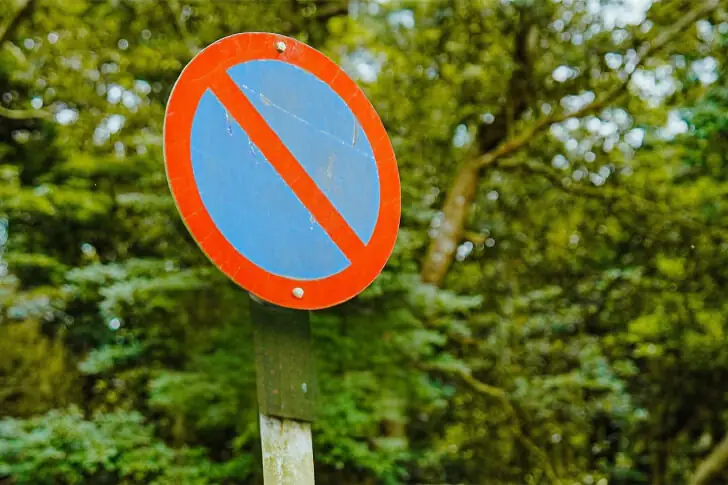
Davao’s patience had worn thin. A video from one of those Sundays captured the makeshift parking lot now filled with rows of parked cars and their tire tracks. It was the same every week, and each time, his frustration grew. Tired of asking politely, he decided to try a new strategy.
He grabbed a sign, hammered it into the ground, and boldly printed “Zabrana Parkiranja,” which means “No Parking” in Croatian. He also placed the Croatian traffic sign that passed the same message. It wasn’t just a sign but a statement that enough was enough. Some glanced at it, while others didn’t bother.
A Trusted Adviser Chimes In

Davao sat across from his wife Mira at the dinner table, frustration heavy in his chest. He’d tried everything from politely asking to the traffic sign, but the cars kept coming. “What do you think I should do?” he asked, his voice barely above a whisper.
Mira paused, spoon halfway to her mouth, and then softly replied, “If they can’t hear your words, maybe they’ll see your actions.” She thought momentarily and then suggested, “Why not just put up a fence?” Davao shook his head. He knew it would be too expensive for a farm of his size. “I need them to stop for good.”
An Old Fable
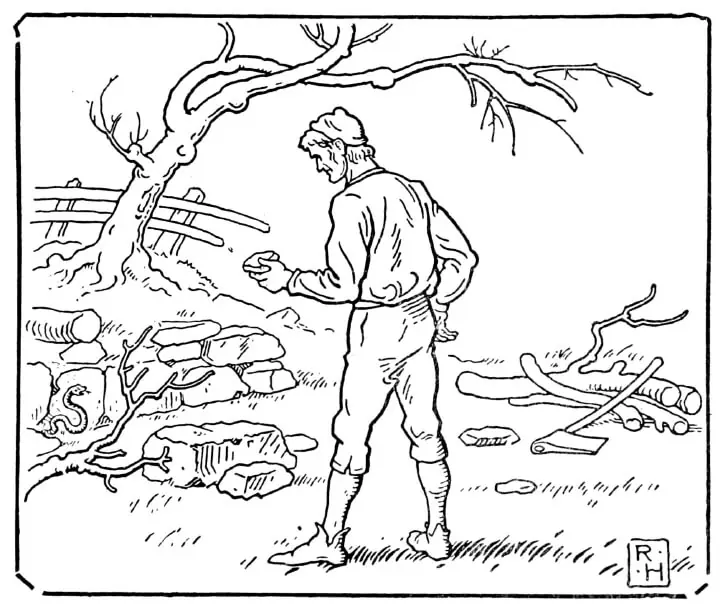
Davao’s mind wandered back to his father’s story about Veli Jože, a gentle Croatian giant. Veli worked tirelessly for ungrateful villagers who took advantage of his strength. He bore the injustice with a quiet heart, but eventually, he couldn’t ignore it anymore.
One day, he stood tall, reclaiming his land and freedom. The villagers, shocked by his resolve, finally respected him. As Davao stared across his field, he felt a similar stirring within him. Like Veli, he wasn’t driven by anger, at least not yet. He realized the shoppers were exploiting his kindness, and he had to stand firm for them to stop.
An Unexpected Move
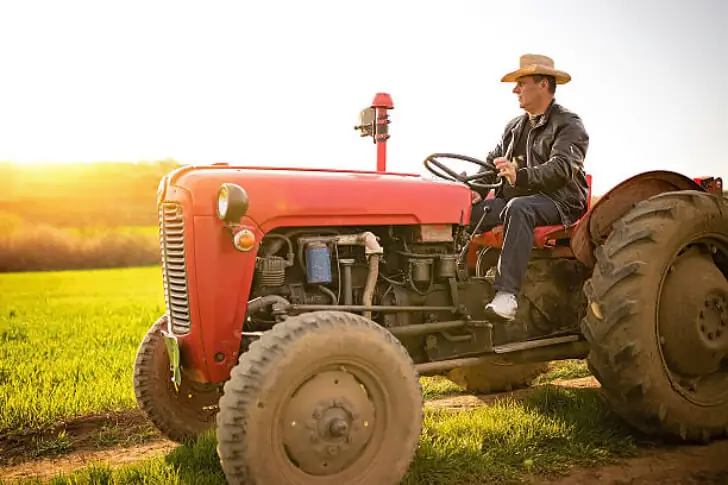
The following Sunday, Davao didn’t waste time. He climbed onto his red tractor, started the engine, and rolled onto his land. It wasn’t planting season, but today wasn’t about sowing seeds; it was something more important. Several shoppers had parked their cars in rows as usual.
He guided the plow across his field with a steady hand, turning the earth with purpose. People watched with confusion plastered on their faces. It wasn’t planting season, and his actions were suspicious, but this was his land, and they thought he was just bored. They didn’t know it immediately, but that engine passed a message louder than any sign had.
A Job Well Done
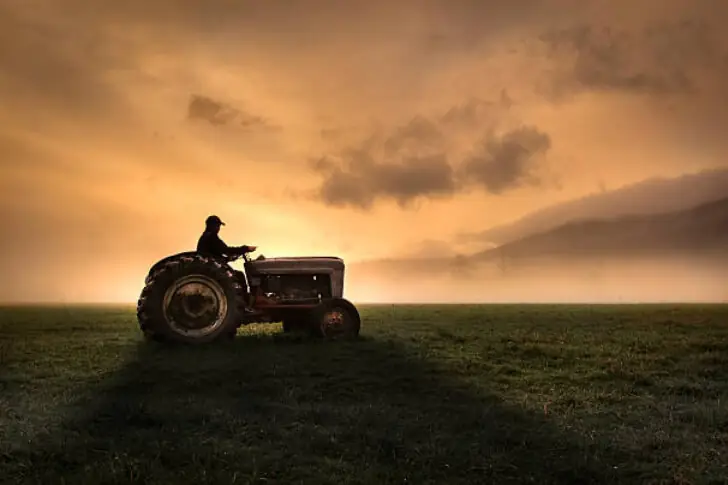
Life in Jakuševac carried on as usual. Shoppers haggled at the flea market, vendors shouted deals, and no one gave Davao a second thought as he worked the land on a Sunday. After all, a farmer plowing his fields wasn’t unusual and could also be his way of getting good yields.
But something changed as Davao moved back and forth, precisely turning the earth. People started to pause, then slow down, eyes drifting toward him. It wasn’t the sight of a farmer doing his work that caught their attention. It was what they saw next that made them stop in their tracks.
Suddenly, the Cars Were Stuck
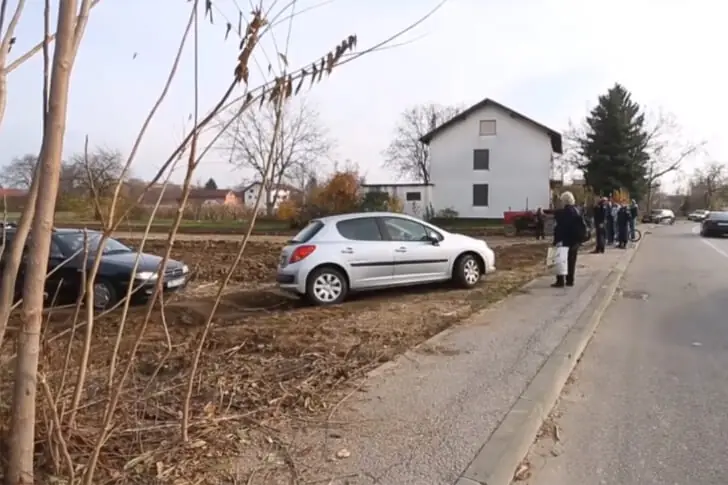
As the market crowd began to thin, shoppers returned to their cars, ready to head home. But when they tried to drive off, Davao’s plan became clear. He had plowed the earth so thoroughly that the ground was no longer passable. The cars sank into the soft, freshly tilled soil one by one.
Engines revved, but all they did was dig deeper. A man in an SUV tried to power through, tires spinning, but even he couldn’t escape. Suddenly, they started complaining and calling the police to the scene. Davao watched from the edge of the field with a quiet smile. His message was simple. His point? Unmistakable.
The Police Arrive
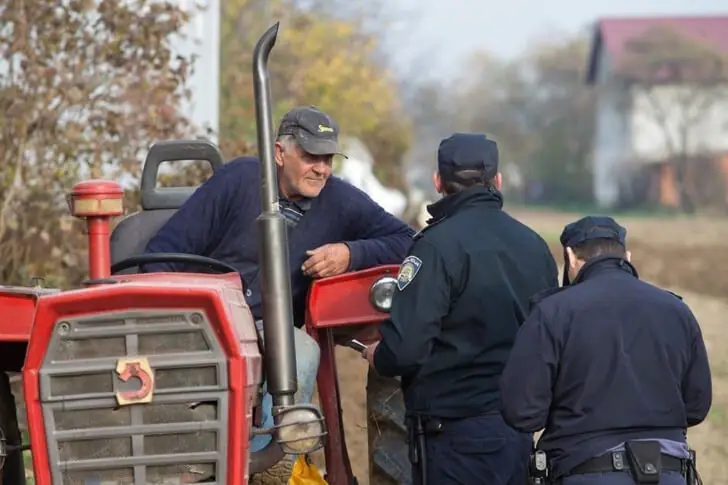
When the police pulled up, they were stunned by the sight of dozens of cars stuck in freshly plowed fields. Questions filled the air as they approached Davao, sitting calmly on his tractor. Ordinarily, they could charge him with obstruction of traffic, but this wasn’t just a typical situation.
One officer shrugged, pointing out that the land was Davao’s property but also acknowledging the market-goers needed a place to park to bolster the town’s economy. Still, it didn’t sit right with them. They felt his actions had been malicious, and he could be in the wrong if they could prove his motives were negative.
An Attempted Rescue Mission
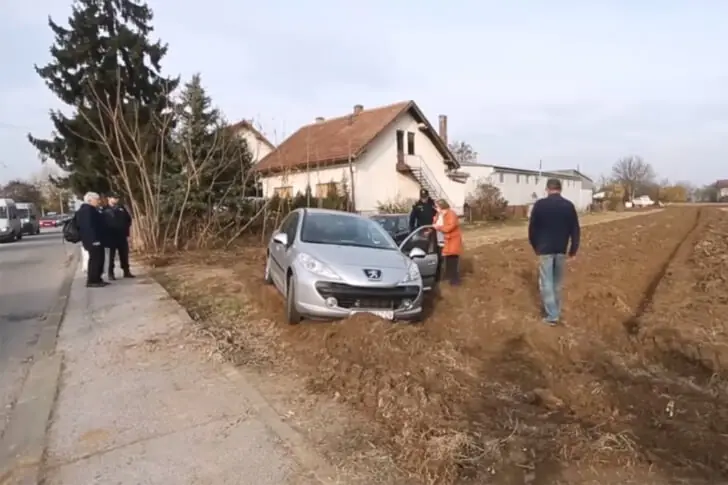
As two officers questioned Davao, a woman in a silver Peugeot fought with her car, desperate to break free. She tried moving forward, then reversed, left, and right, hoping the wheels would catch. For a moment, it seemed like she might escape the loose soil.
But as she inched closer to the road, the more the tires sank. The car wouldn’t budge. One of the officers climbed into the driver’s seat, trying to work the wheel, but he couldn’t even get the vehicle unstuck. It was clear that Davao’s field had done its job. They loved his field so much, and it was time to extend their stay.
An Engaging Conversation Yields Results
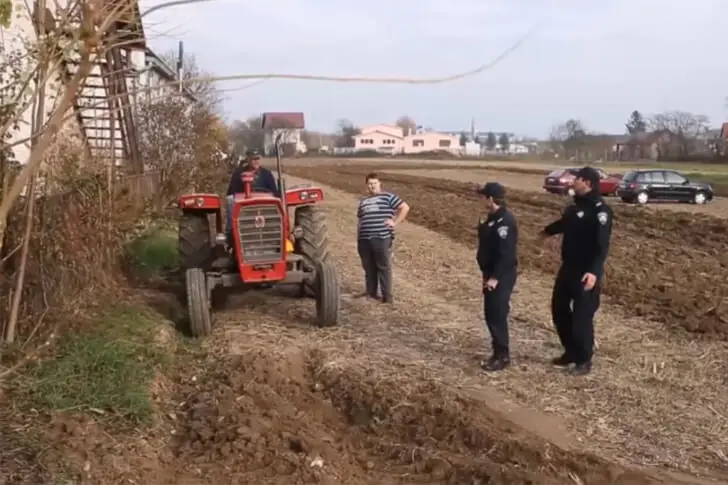
After talking with Davao, the police realized there was nothing illegal about his actions. Sure, the drivers were stuck, but they saw right through any talk of malice and concluded that Davao had exercised his right to work his field. The officers didn’t need a law degree to know he’d win the case if anyone tried to turn him into the bad guy.
They had parked their vehicles on his land without permission, and he had every right to plow it, regardless of the inconvenience. With that, the officers shrugged, leaving the scene without warning him. They directed the frustrated shoppers to a nearby towing service.
Showing Mercy Despite the Situation
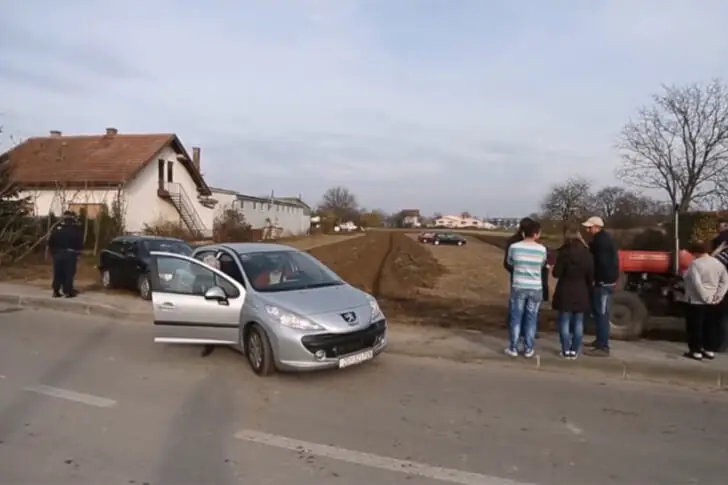
It was evident that Davao had made his point. As he surveyed the scene, something caught his eye. He realized that he recognized the woman in the silver Peugeot. They had shared a hearty but brief conversation long ago on a bus to Zapresic that he never forgot.
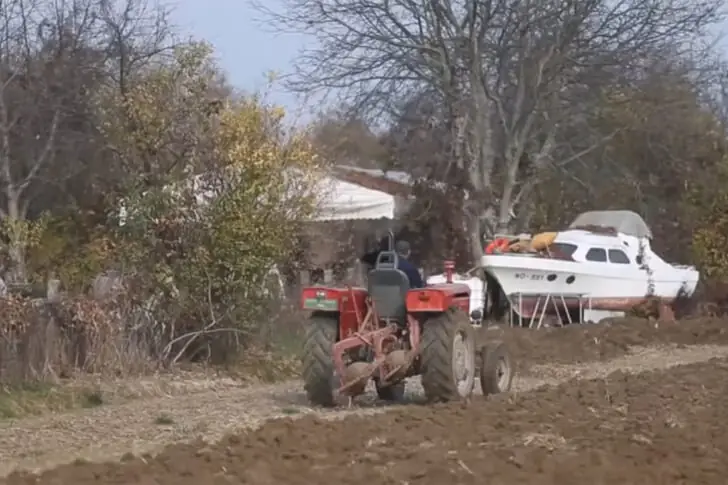
His gaze softened, and he decided to show mercy. Climbing back onto his tractor, he smoothed out the earth around her car, helping her ease it back onto the road. They exchanged a brief, understanding look. Davao knew that she and others would never park on his land again.
One Random Suggestion
The video spread like wildfire, circulating on platforms like YouTube and X, and drawing all kinds of opinions. Some viewers suggested Davao could have made a quick buck off the situation. One comment stood out: “Why not let them park, put up a barrier, and charge $100 for the spot?”
It sounded like an easy solution at first. But Davao wasn’t interested in short-term gains. As tempting as it was, charging for parking would have been a quick fix, not a solution. In the long run, those cars would’ve ruined his soil even more, making his land unfit for farming. The farmer had plans for this land to remain fertile long after he wasn’t here.
Different Views

One viewer’s comment hit hard: “For those supporting the parking, think about how those cars were damaging the soil, and the toxins from the engines are leaching into the ground.” Another praised Davao for his creative solution that didn’t get him into trouble, pointing out how it was the only way to protect his land.
With the landfill so close, Davao was already fighting an uphill battle. The last thing he needed was more damage every weekend. Some people even argued that those who parked illegally should face the consequences, a sentiment echoed in the comments. To the farmer, he had found a permanent solution, and nothing else mattered.
Jakuševac’s Unsung Hero
Davao wasn’t the type to keep to himself. In Jakuševac, he was known for lending a hand, whether it involved fixing fences, donating vegetables to the church, or offering tools to neighbors. When storms hit, he was the first to help secure roofs.
So, it felt personal to some locals when people started trampling across his fields every Sunday without consideration and ignoring his warnings. It was a disrespect of everything he worked for and, for the locals, a slap on the face of a beloved man. The older villagers especially understood that Davao’s move concerned protecting his legacy, land, and future.
The Silent Victory
The following Sunday, no one parked their car on Davao’s field. Locals guided visitors to the designated lot, some nodding knowingly, remembering the mud-caked tires. A few drivers didn’t even slow down, turning away before they crossed the boundary.
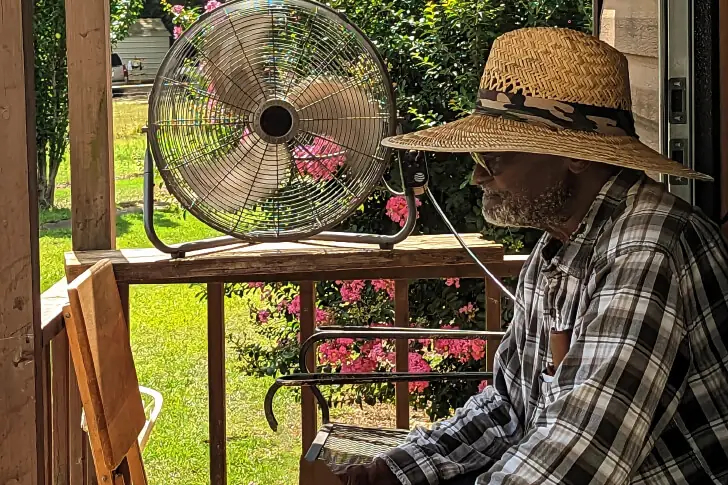
Davao sat on his porch, with a cane in his hand, watching the stillness with keen interest. The air was different this time. There was no tension, just peace. The locals knew he was still the thoughtful man he’d always been, just not kind enough to allow exploitation. Thanks to a single act of quiet defiance, the earth, once scarred with tire tracks, now breathed freely again.
A Town Divided
Not everyone saw Davao’s act as heroic. One councilwoman criticized him for allegedly deterring tourism. A vendor blamed him for lower foot traffic. “If people can’t park, they won’t come,” she warned. But other farmers defended him, saying the land had limits.
The village was divided, and soon, the debate hit the local radio. People called in. While some praised Davao, others called him petty. Through it all, he said nothing. He kept his fields clean, his tractor fueled, and his head down. They could argue all they wanted, but he knew some opposed his actions and wanted personal gains at his expense.
Ending the Rumors

As rumors swirled through Jakuševac, fueled by gossip and wild stories, Davao knew it was only a matter of time before the truth was distorted beyond recognition. At Mira’s urging, he attended the next town meeting, ready to set the record straight.
With calm confidence, he stood and began, “I’ve lived here longer than some of your shops have been open. My land is my salary, my table, and my history.” The room fell silent. “I’ve never stopped anyone from making a living. I only want my land treated with respect.” In his closing remarks, he said, “If we protect what’s ours today, we won’t have to fight for it later.”
The Ultimate Media Frenzy

Once the video exploded online, reporters were relentless. A crew from Zagreb showed up at his door, an Italian blogger flooded his inbox, and a publisher offered to publish a story based on the experience without any upfront payment. But Davao wasn’t interested. He politely declined most requests, making only one brief appearance on a local news segment.
When asked why he did it, he said, “Because oil poisons soil, and I eat from this land.” That line stuck and spread across Balkan news sites, sparking memes and even earning him the nickname “The Earth Bender.” But fame wasn’t what mattered. What mattered was that his field was finally safe.
A Wave of Change

The youth council devised a fresh plan to partner with unused lots and create structured parking for the market. Profits would go toward school gardens and road repairs. Inspired by Davao’s actions, local teens organized a “Respect the Land” cleanup day, and even the flea market vendors chipped in to fund gravel for designated parking areas.
Davao watched quietly from the sidelines, content not to seek praise. His goal had always been sustainability, and it was taking shape without his direct input. What started as a simple act to protect his land changed how the village viewed its land and boundaries.
A Mindset Shift
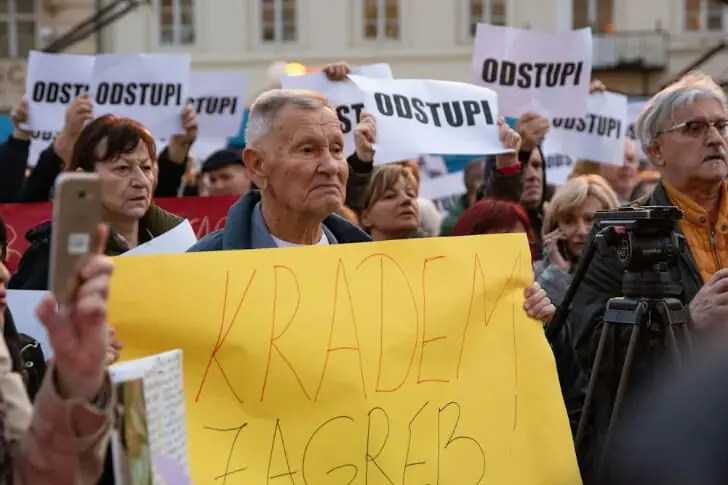
Farmers from nearby villages took notice. One in Varaždin turned old market signs into a fence. Similarly, a vineyard owner offered parking only to those willing to help with weeding for an hour. Others whose lands had been encroached upon protested with signs saying “ODSTUPI” or “Back Off.”
What started as Davao’s quiet stand had sparked a movement. Critics called it performative, but many saw it differently. Rural voices barely got people’s attention, and if it took grand stunts like these to get attention, they would try. Davao’s calm defiance gave others the courage to demand better for their land and other aspects of their lives.
Peace at Last

The following Sunday, Davao stood by the window with Mira, the sounds of the flea market humming in the distance. Birds fluttered in the hedgerows. No car was in sight this time, and oil no longer leaked into his land. After breakfast, he poured two cups of plum rakija for himself and her.
The bees returned for the first time in months, buzzing lazily through the air. Where tire tracks had once scarred the field, sunflower shoots now pushed through the earth. Davao leaned back, smiling with Mira by his side. He had finally gotten much-needed tranquility despite the struggle.