
Ted Bundy: The All-American Monster
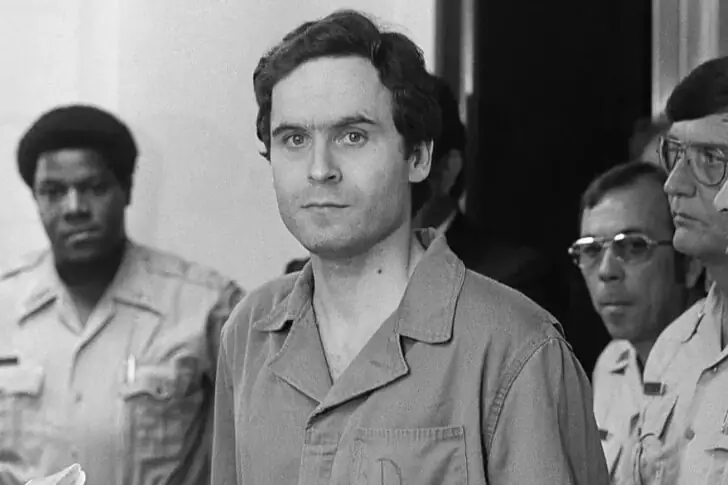
Ted Bundy was handsome, charming, and educated — and confessed to murdering at least 30 women across seven states in the 1970s. He used his looks to lure victims, often feigning injury to gain their trust. Bundy escaped custody twice — once jumping from a courthouse window, once crawling through a jail ceiling. He was recaptured, convicted in Florida, and executed in 1989. Investigators believe his actual victim count was higher. He went to his grave withholding information about some crimes, using confessions as bargaining chips to delay his execution.
Jeffrey Dahmer: The Milwaukee Cannibal
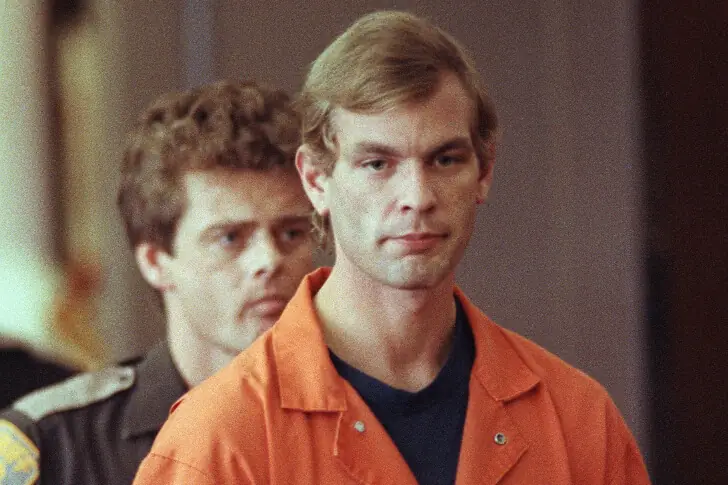
Between 1978 and 1991, Jeffrey Dahmer murdered 17 young men and boys in Ohio and Wisconsin, committing acts of necrophilia and cannibalism. In 1991, one victim escaped and flagged down police — but officers returned him to Dahmer, believing the couple were having a domestic dispute. He was murdered in prison in 1994 by a fellow inmate. Dahmer’s case exposed catastrophic failures by Milwaukee police and ignited national conversations about how race and sexuality shaped whose disappearance was taken seriously. Most of his victims were Black, Asian, or Latino — and largely ignored by authorities while he killed freely.
John Wayne Gacy: Clown by Day, Killer by Night
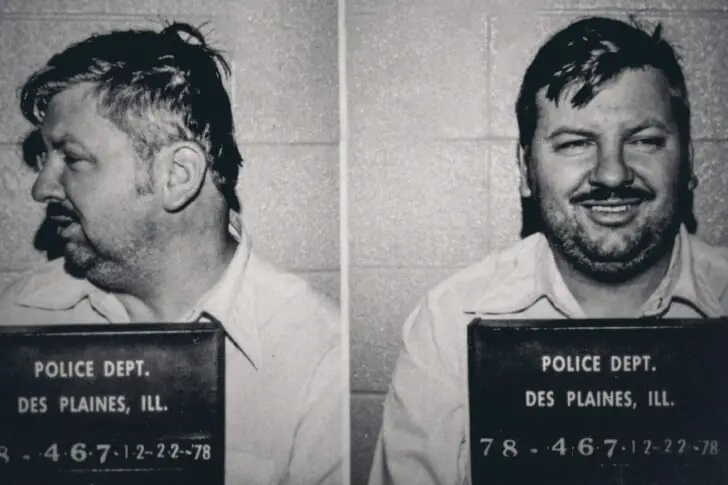
John Wayne Gacy hosted neighborhood parties, dressed as “Pogo the Clown,” and was active in Democratic Party politics in Chicago. Beneath his suburban home, he was burying bodies. Gacy murdered 33 young men and boys between 1972 and 1978, luring many with promises of construction work. Police found 26 victims under his crawl space, with three more dumped in the Des Plaines River. He was executed by lethal injection in 1994. Gacy never showed remorse. His last words were “Kiss my ass.”
BTK Killer: Dennis Rader’s 30-Year Secret
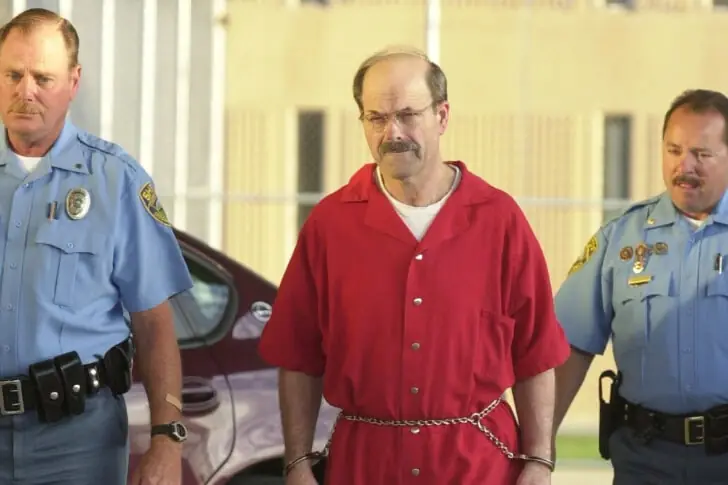
Dennis Rader — the “Bind, Torture, Kill” killer — terrorized Wichita, Kansas from 1974 to 1991, murdering 10 people and taunting police with letters describing his crimes. Then he simply stopped. He became a church president, a code compliance officer, and a family man. In 2004, he began sending letters again — and was caught when police traced metadata on a floppy disk he sent back to his church computer. Rader was sentenced to 10 consecutive life terms in 2005. His victims and their families had spent three decades not knowing whether he was still out there.
The Golden State Killer: Joseph DeAngelo
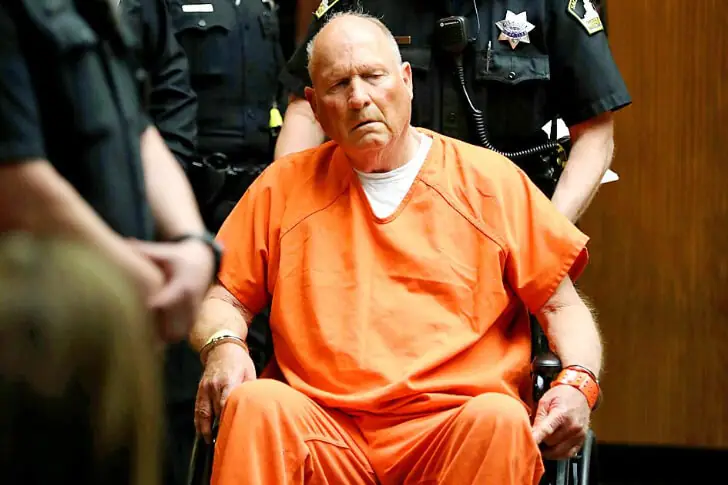
For decades, Joseph DeAngelo was a phantom — responsible for 13 murders and at least 50 rapes across California in the 1970s and ’80s. In 2018, investigators cracked the case using a consumer genealogy website: a distant relative’s DNA profile helped detectives build a family tree that led them to DeAngelo, then a 72-year-old former police officer living quietly in Sacramento. He pleaded guilty to all charges in 2020 and was sentenced to life without parole. The case forever changed criminal investigation, raising new questions about genetic privacy.
Gary Ridgway: The Green River Killer
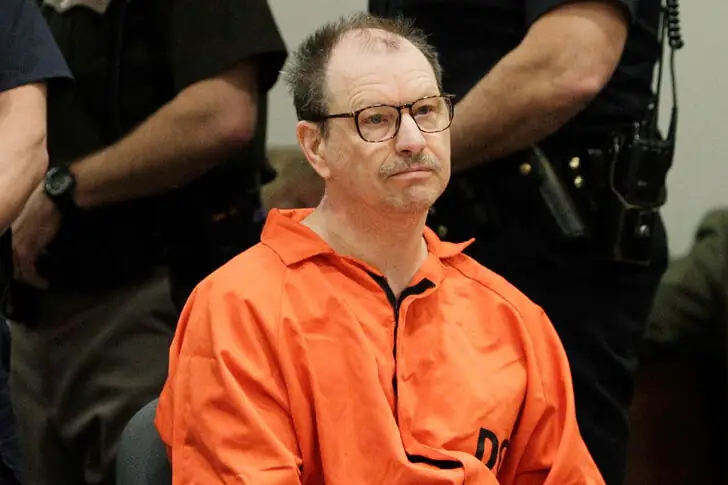
Gary Ridgway confessed to murdering 49 women in Washington State — more than any other convicted US serial killer. He targeted sex workers and runaways near the Green River south of Seattle, beginning in the early 1980s. Ridgway evaded capture for 20 years, even passing a polygraph test in 1984. A DNA match finally caught him in 2001. He cooperated with investigators in exchange for avoiding the death penalty, leading them to undiscovered remains for years afterward. Ridgway showed no remorse, describing his murders with chilling detachment throughout his trial.
Richard Ramirez: The Night Stalker
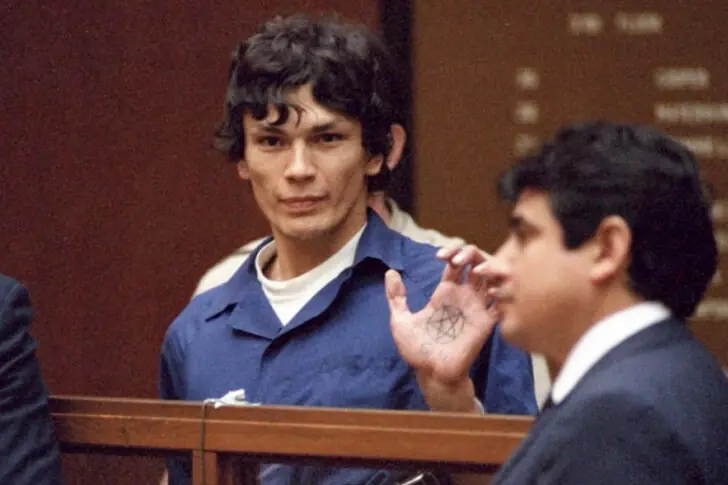
Richard Ramirez terrorized Los Angeles and San Francisco in 1984 and 1985, committing 13 murders, 11 sexual assaults, and countless burglaries. He had no fixed victimology — men, women, the elderly, children — entering homes at random through unlocked windows, leaving Satanic symbols at crime scenes. He was finally identified when a fingerprint connected him to a stolen car. Civilians chased him down and held him until police arrived. Ramirez was sentenced to death but died of cancer on death row in 2013.
Son of Sam: David Berkowitz
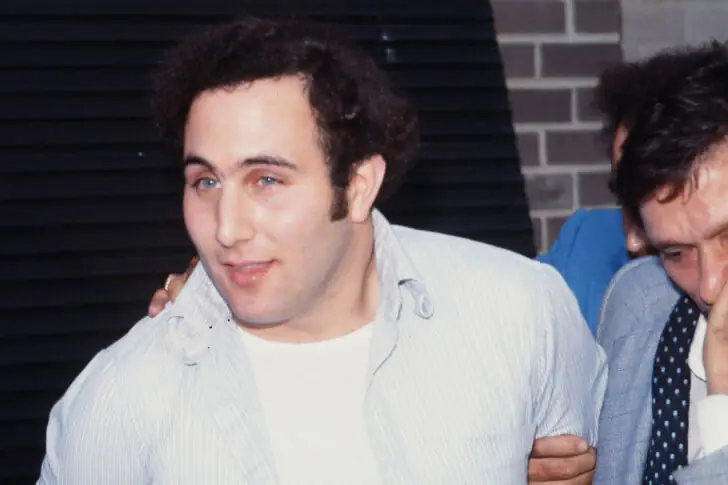
In 1976–77, David Berkowitz killed 6 people and wounded 7 others in New York City, attacking couples parked in cars late at night. He taunted police and the media with letters, signed “Son of Sam,” describing himself as a demon-possessed man commanded to kill by a neighbor’s dog. The murders paralyzed New York. Berkowitz was caught through a parking ticket near one crime scene. Now a born-again Christian, he has been denied parole multiple times and remains incarcerated in New York.
Aileen Wuornos: America’s First Female Serial Killer

Aileen Wuornos killed 7 men along Florida highways between 1989 and 1990, claiming all were self-defense against men who raped or attempted to rape her while she worked as a sex worker. Prosecutors disputed this account in most cases. She was convicted of six murders and executed in 2002 — the same year Charlize Theron began preparing to portray her in Monster, for which Theron won an Academy Award. Wuornos’s case raised complex questions about self-defense, trauma, and whether she received a fair trial.
Dean Corll: The Candy Man

Before Gacy, before Dahmer, there was Dean Corll — a Houston candy factory worker who murdered at least 28 teenage boys between 1970 and 1973, with the help of two teenage accomplices he manipulated into luring victims. The crimes only came to light when one accomplice, Elmer Wayne Henley, shot Corll in self-defense. Corll’s victims were largely poor, working-class kids whose disappearances had been dismissed by police as runaways — a pattern that allowed him to kill for years.