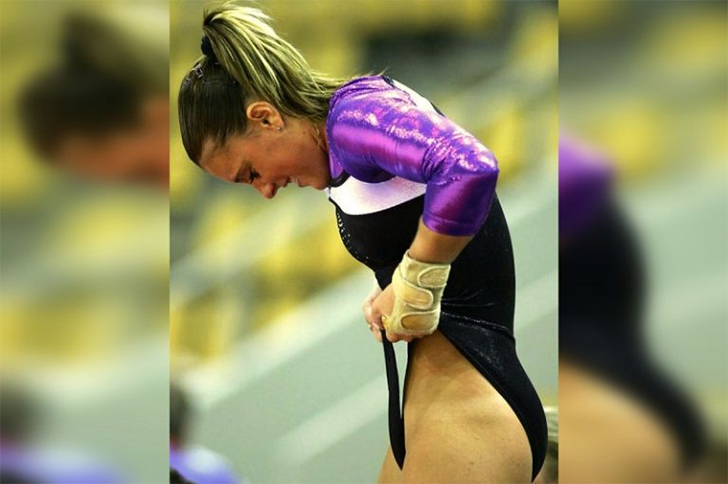
Erin Andrews: The $55 Million Peephole Case
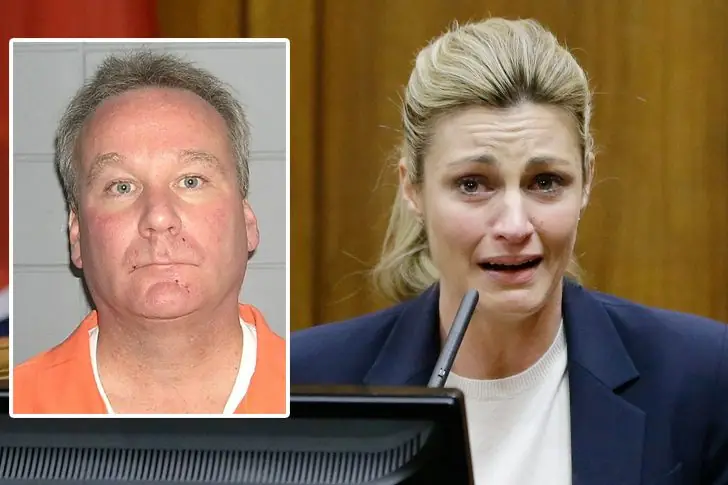
In 2008, ESPN sportscaster Erin Andrews was staying at a Marriott hotel in Nashville when insurance salesman Michael David Barrett secretly modified the peephole on her hotel room door and filmed her while she was undressing. Barrett posted nearly five minutes of footage online, where it was viewed by millions.
Barrett was sentenced to 2.5 years in federal prison. In 2016, Andrews sued Barrett and the hotel — the jury awarded her $55 million in damages, one of the largest voyeurism-related civil verdicts in US history. Andrews has spoken publicly about the lasting psychological trauma the incident caused her.
Jeffrey Polizzi: 74 Victims Come Forward

When deputies in Nassau County, Florida, asked the public to come forward after the arrest of Jeffrey Polizzi, they received an overwhelming response: 74 women contacted authorities with information or concerns. Polizzi was not a first-time offender. In 2009, he had been arrested for secretly photographing women in the dressing rooms of a surf shop in Jacksonville. The case drew significant attention because it highlighted how repeat voyeurism offenders can continue their behavior for years before being stopped. Critics argued that weak penalties and limited monitoring of offenders created opportunities for individuals like Polizzi to repeatedly violate victims’ privacy without facing consequences severe enough to prevent future offenses.
The Expedia Office Spy: 16 Charges, 4 Years in Prison
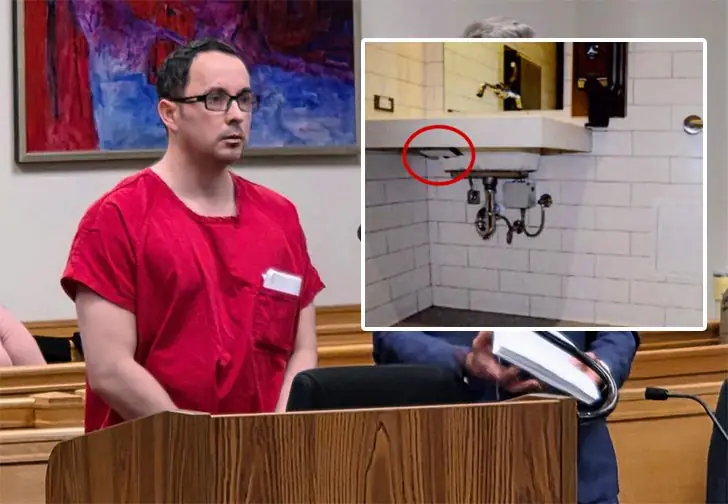
A man from Lynnwood, Washington was accused of secretly placing hidden cameras in multiple locations, including Expedia’s headquarters in Seattle and his ex-wife’s home. Authorities alleged that the devices were used to record individuals without their knowledge or consent, leading to 16 separate criminal charges related to unlawful surveillance and secret recordings. After the case was prosecuted, a judge sentenced him to 48 months, or four years, in prison. The incident drew widespread attention because it highlighted growing concerns about privacy in both workplaces and private residences. It also underscored how inexpensive, commercially available spy cameras can be easily disguised within everyday objects, making unauthorized surveillance increasingly difficult to detect and raising questions about the need for stronger privacy protections.
David Frick: The Special Olympics Coach & the $1 Million Judgment
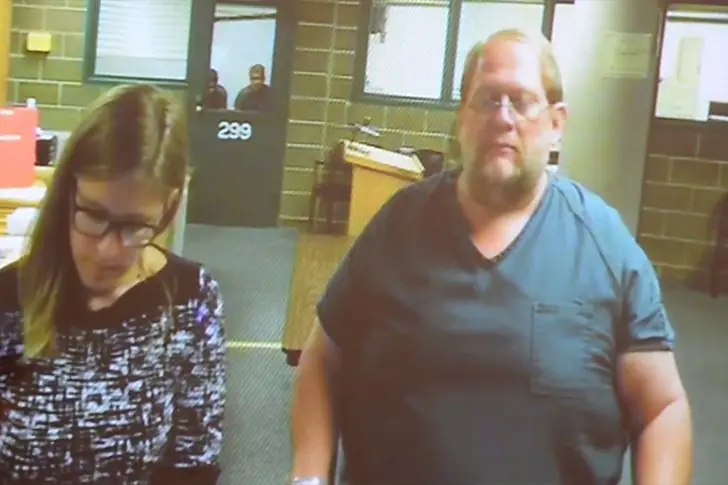
David Frick, a longtime employee of the city of Bellingham, Washington, and a Special Olympics coach, spent years secretly recording female coworkers at the Arne Hannah Aquatic Center. According to court findings, he concealed recording devices in areas where employees expected privacy, including staff locker rooms, bathrooms, and changing areas. The unauthorized recordings captured women during highly personal moments without their knowledge or consent. The misconduct continued over an extended period before it was discovered, leaving many employees feeling violated and unsafe in their workplace. In a civil lawsuit, a court ordered Frick to pay $1 million in damages, citing privacy violations and the creation of a hostile work environment.
Dean Faiola: Dining Hall Director’s Hidden Camera
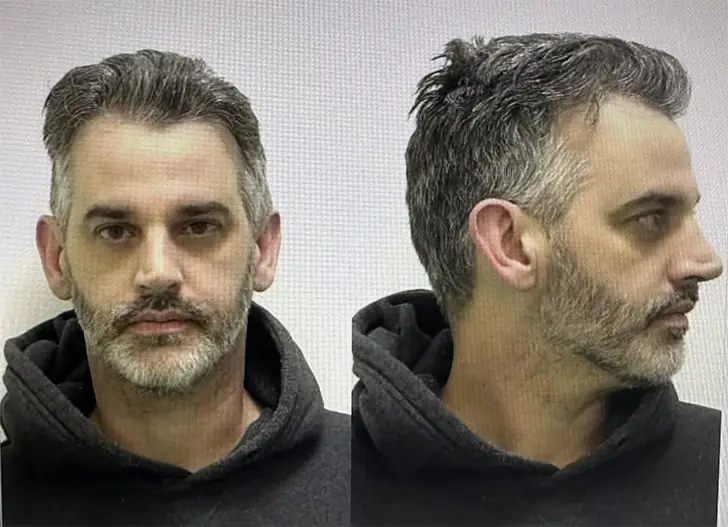
In Rhode Island, Dean Faiola, the deputy director of dining services at Rhode Island College, was charged with video voyeurism after a student employee discovered a hidden camera concealed in the ceiling of a second-floor bathroom at the Donovan Dining Center. At the time of the incident, Faiola was 49 years old and held a senior administrative position within the college’s dining services department. Following the discovery and subsequent investigation, he was immediately terminated from his job. The case shocked students, faculty, and staff, raising serious concerns about privacy, trust, and safety within campus facilities and prompting widespread discussion throughout the college community.
Tony Roberts: Four Counts, Coffee Shop Bathroom
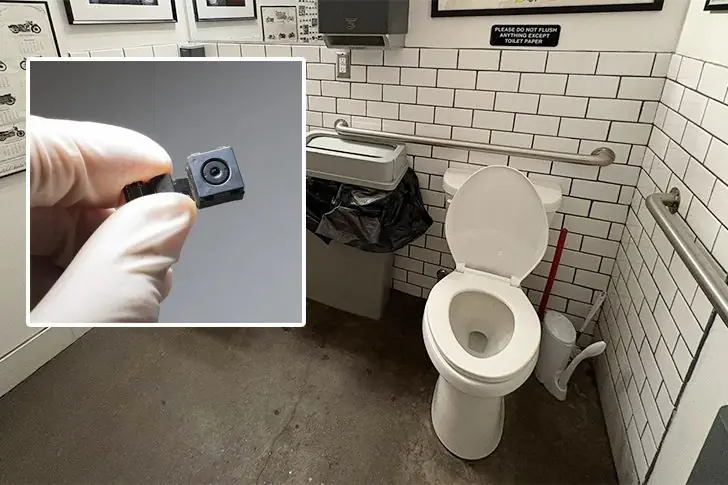
Tony Roberts was convicted of four counts of video voyeurism after secretly installing a hidden camera in the bathroom of a coffee shop in Providence, Rhode Island. The camera recorded individuals in a space where they reasonably expected privacy, leading to criminal charges and conviction. The case attracted significant attention because Roberts was one of the few people in the state to receive a prison sentence for video voyeurism. His punishment stood in contrast to many similar cases, which often result in probation or relatively light penalties. The case highlighted ongoing concerns about whether existing sentences adequately deter privacy-related offenses.
Nick Pledger: ISU Locker Room & Online Distribution

Former Indiana State University student Nick Douglas Pledger pleaded guilty to two counts of felony voyeurism and two counts of public voyeurism after secretly recording female student-athletes in campus locker rooms without their knowledge or consent. Investigators determined that he not only captured the footage but also shared the videos online, significantly expanding the harm suffered by the victims. As a result of his actions, Pledger was sentenced to five years in prison. The case drew widespread attention because it highlighted how the public distribution of voyeuristic recordings can deepen the invasion of privacy and cause lasting emotional and reputational damage to those affected.
Vargas-Fernandez: Cameras at Home and Work
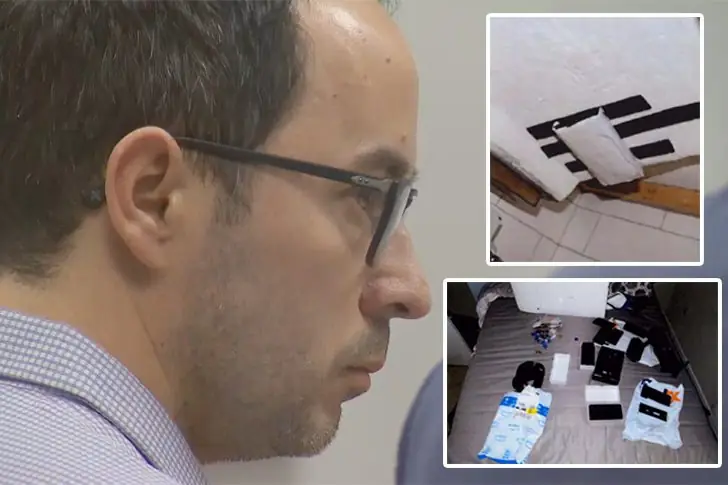
A Washington State man was convicted on multiple charges after secretly placing hidden cameras in both his ex-wife’s home and office spaces at Expedia’s Seattle headquarters. Investigators found that he used concealed surveillance devices to record individuals without their knowledge in locations where privacy was reasonably expected. The case drew attention because it involved voyeuristic conduct across both personal and professional settings, affecting victims in multiple environments. Unlike incidents limited to a single location, this case demonstrated how some offenders extend their activities across different aspects of their lives, targeting both domestic and workplace spaces simultaneously and increasing the scope of the privacy violations.
The YMCA Locker Room: 240 Days Home Monitoring
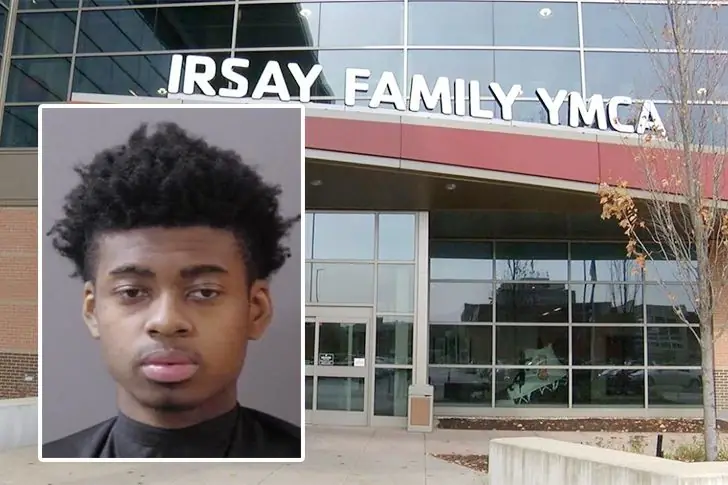
In 2025, John Deramus of Indianapolis pleaded guilty to voyeurism after secretly recording women in locker rooms at YMCA facilities. The recordings were made in areas where individuals had a strong expectation of privacy, making the case particularly troubling. Despite the seriousness of the offense, Deramus was sentenced to 240 days of home monitoring and did not receive a prison term. The outcome generated public discussion about the adequacy of penalties for voyeurism offenses and whether existing laws provide a sufficient deterrent. The case became part of a broader debate over how the justice system handles privacy violations involving hidden cameras and unauthorized recordings.
Disney Employee Arrested for Video Voyeurism
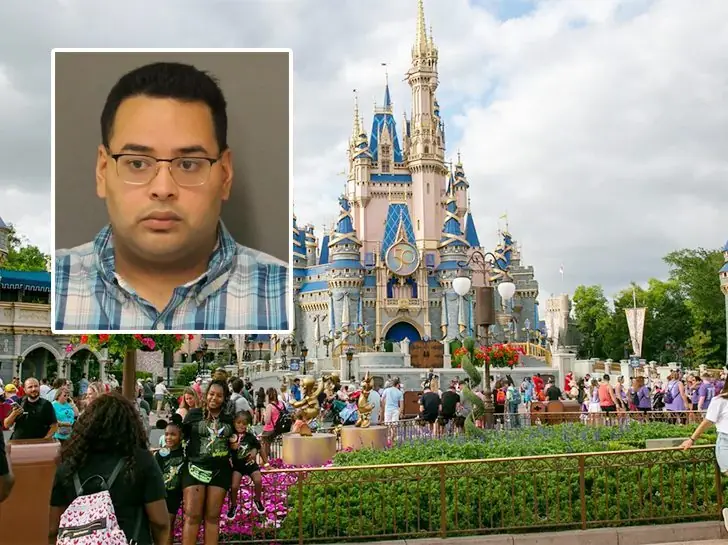
A Disney World employee was fired and arrested after being caught committing video voyeurism at the Florida theme park. The case drew widespread attention given the family-friendly reputation of the resort. It raised serious questions about background check protocols at major entertainment companies and how institutions protect guests and co-workers from hidden surveillance.