
Alcatraz 1962: The Escape That May Have Worked
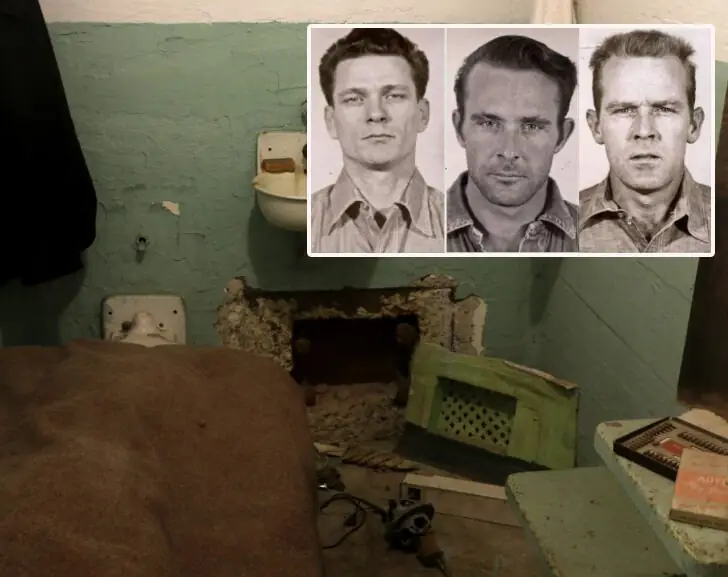
On the night of June 11, 1962, Frank Morris and brothers John and Clarence Anglin vanished from Alcatraz Island — the prison declared escape-proof. They spent months chipping through ventilation shafts with spoons, crafted papier-mâché dummy heads to fool sleeping guards, and built a rubber raft from stolen raincoats. Their raft was found; their bodies were not. The FBI officially classified them as drowned, closing the case in 1979. But in 2013, a letter purportedly from John Anglin surfaced, claiming all three had survived. The mystery has never been definitively resolved.
Ted Bundy: Escaped Twice, Killed Again

Ted Bundy is the only prisoner in US history known to have escaped twice and continued killing. In 1977, he jumped from a second-floor courthouse window in Aspen, Colorado during a recess in his own murder trial. Recaptured, he escaped again in December 1977 by crawling through a ceiling gap in his cell. He drove to Florida, where he attacked five women at a Florida State University sorority house, killing two, and abducted and murdered 12-year-old Kimberly Leach. He was caught in Pensacola six weeks after his second escape.
Clinton Correctional, 2015: Matt & Sweat

In June 2015, Richard Matt and David Sweat cut through steel walls, navigated steam pipes, and emerged from a manhole in upstate New York — the first escape in the 170-year history of Clinton Correctional Facility. They had manipulated a prison seamstress, Joyce Mitchell, who supplied hacksaw blades hidden in frozen hamburger meat. Mitchell was supposed to be their getaway driver but had a panic attack and didn’t show. Matt was shot and killed by Border Patrol 22 days later. Sweat was shot and wounded two days after that, just two miles from the Canadian border.
John Dillinger’s Wooden Gun (1934)
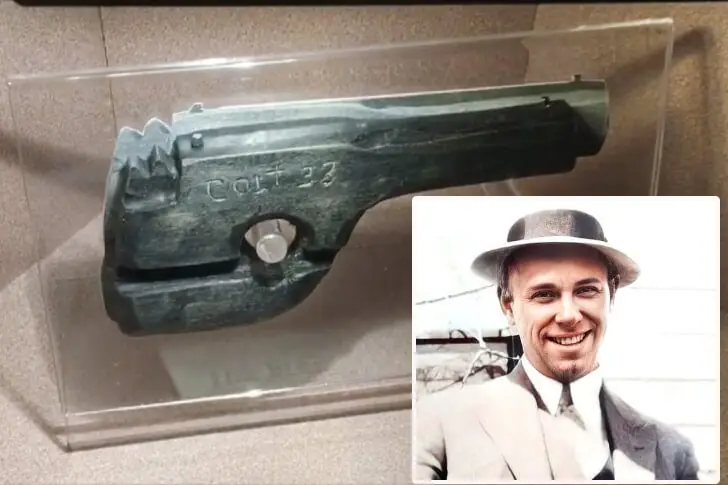
In March 1934, John Dillinger bluffed his way out of the “escape-proof” Lake County Jail in Crown Point, Indiana by threatening guards with what appeared to be a pistol — carved from wood and blacked with shoe polish. He then stole the sheriff’s car and drove across state lines, triggering federal jurisdiction. J. Edgar Hoover declared him Public Enemy Number One. Dillinger was eventually betrayed by “The Lady in Red” — a brothel madam who tipped off the FBI. He was shot and killed by agents outside the Biograph Theater in Chicago that July, aged 31.
“Terrible Tommy” O’Connor: Hanged in Absentia
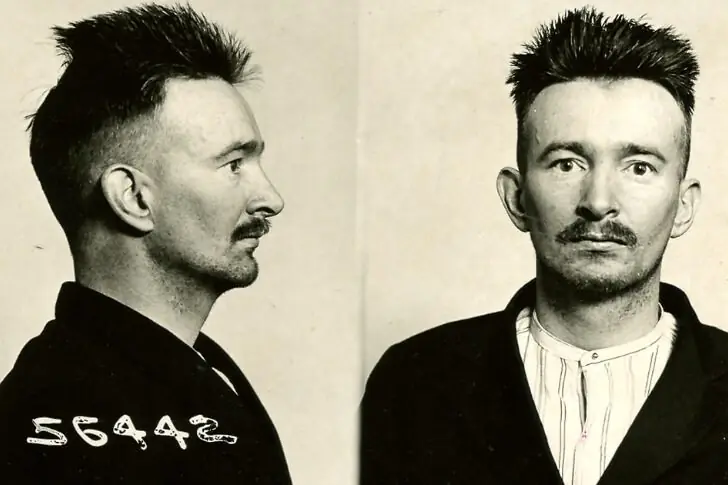
In 1921, Thomas “Terrible Tommy” O’Connor escaped from the Cook County Jail in Chicago just four days before his scheduled hanging for killing a police detective. He scaled the prison wall and was never seen again. The Cook County Sheriff’s Office kept the gallows built for his execution for 65 years on the off chance he’d be recaptured. The gallows were finally dismantled in 1977. No credible confirmed sighting of O’Connor was ever recorded after his escape from Chicago’s jailhouse walls.
Jose Banks & Kenneth Conley: Bedsheet Escape from a Chicago High-Rise (2012)

In December 2012, Jose Banks and Kenneth Conley escaped from the Metropolitan Correctional Center — a 27-story federal detention facility in downtown Chicago — by braiding a 17-foot rope from bedsheets, cutting through a window with a makeshift tool, and rappelling down the building’s facade to the street below. Banks was recaptured nine days later. Conley lasted two weeks. Both were prosecuted for the escape itself. The escape prompted a major upgrade to the facility’s window systems, which had apparently never been considered a vulnerability.
Willie Sutton: Three Daring Escapes
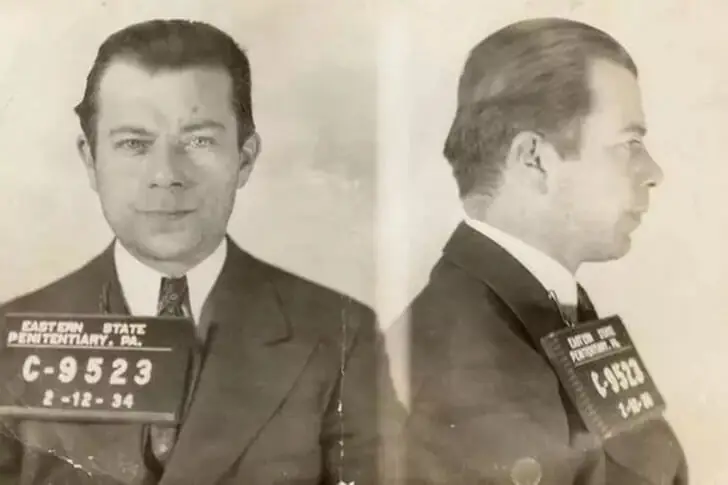
Willie Sutton — the prolific bank robber who allegedly said he robbed banks “because that’s where the money is” — escaped from custody three times in his career. In 1932 he scaled the walls of Eastern State Penitentiary in Philadelphia with a ladder. In 1945, he and ten others tunneled out of Holmesburg Prison. In 1947, he escaped from Philadelphia County Prison by impersonating a guard. He was recaptured each time. Sutton spent over half of his adult life behind bars, never using violence during any of his estimated 100+ bank robberies.
Glen Stewart Godwin: Still at Large

Glen Stewart Godwin is one of the most remarkable fugitives in FBI history. He escaped from Folsom Prison in 1987 by tunneling into a drain and swimming the American River. He was arrested in Mexico, where he murdered a fellow inmate, then escaped from a Mexican prison as well. He landed on the FBI’s Ten Most Wanted list in 1996 and has not been seen since. As of 2024, he has been a fugitive for nearly 40 years, making him one of the longest-sought fugitives in modern American law enforcement history.
The 1984 Illinois Escape: Six Killers at Once
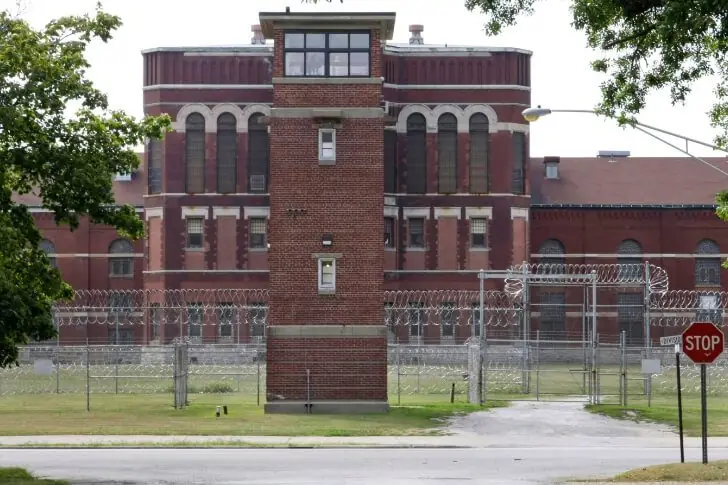
In 1984, six convicted killers escaped simultaneously from the Pontiac Correctional Center in Illinois by overpowering guards during a routine shift. They used a guard’s radio to learn where officers were, took six hostages, and walked out through a series of gates before alarm was raised. All were recaptured within days, but the escape illustrated how institutional complacency could be systematically exploited by determined inmates. The warden was dismissed and new protocols were introduced requiring random patrol patterns.
Earl Durand: One Man vs. Wyoming (1939)
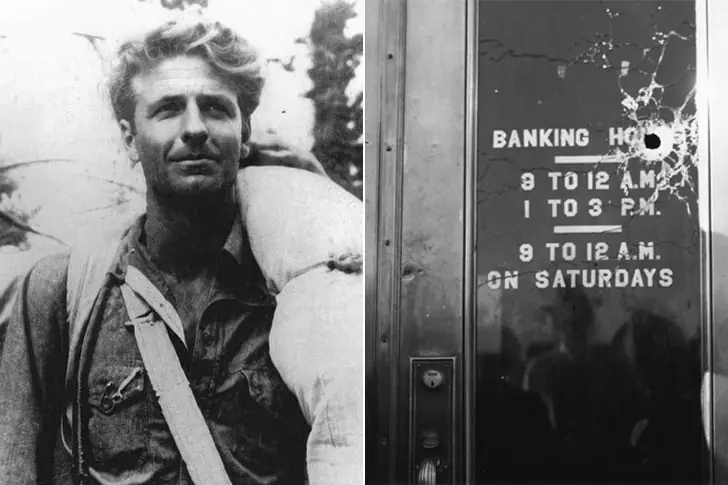
Earl Durand was a mountain man and poaching suspect who, in 1939, escaped from a Wyoming jail after strangling a guard, then led a days-long manhunt through the Bighorn Mountains that required the National Guard and hundreds of posses. He robbed a bank in Powell, killed two pursuing officers, took hostages, and held off law enforcement for days — using the wilderness skills of someone who had grown up hunting those mountains. He died when a bank teller shot him with a shotgun. Durand killed four officers during his escape and evasion.