
Traveling to a new destination presents a unique opportunity to explore different cuisines and indulge in new flavors. However, gastronomic indulgence can also be a significant risk for travelers.
Consuming contaminated food and beverages can lead to health issues derailing travel plans or even requiring medical attention. To ensure that your travels do not leave a bad taste in your mouth, let’s explore some tips for safe food and drinks when traveling.
Drink Bottled Water
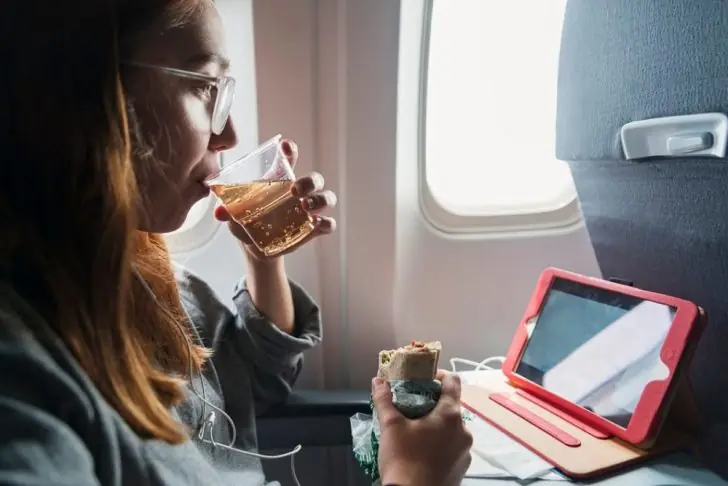
One of the easiest ways to avoid consuming unsafe water is to drink bottled water. While tap water is safe to drink in many developed countries, it’s not always the case in other parts of the world. In countries where water safety is a concern, it’s best to opt for bottled water that has not been tampered with. Make sure the seal is intact before consuming the water.
Avoid Ice Cubes
While drinking bottled water is a good start, it’s also important to be cautious about ice cubes. Ice cubes are often made from tap water, which may not be safe to drink. To avoid consuming unsafe ice cubes, ask for drinks without ice or stick to bottled beverages.
Be Cautious With Fruits and Vegetables
Fruits and vegetables are an essential part of a healthy diet, but they can also be a source of foodborne illnesses. Be cautious when it comes to consuming raw fruits and vegetables, especially if you’re traveling in a region with poor sanitation.
It’s best to stick to cooked or peeled fruits and vegetables, as they are less likely to be contaminated.
Choose Street Food Wisely
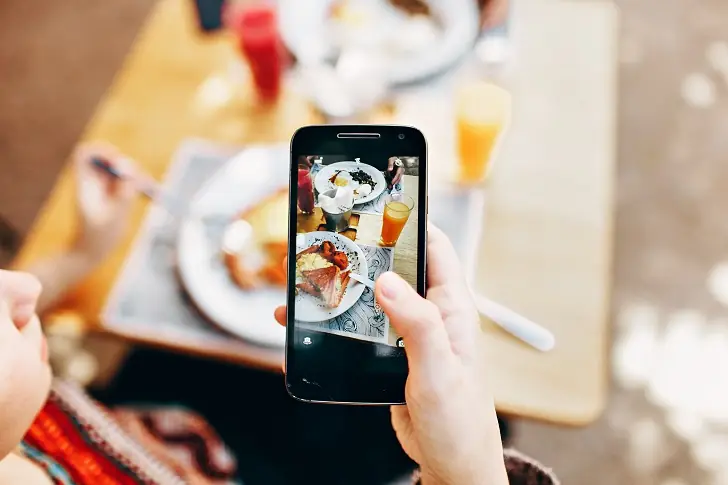
Street food can be one of the best parts of traveling, but it can also be a source of foodborne illnesses. When it comes to street food, it’s best to use your judgment. Look for vendors with a high turnover of food and a clean appearance. If the food looks questionable, it’s better to err on the side of caution and skip it.
Choose Restaurants Carefully
Choosing the right restaurant is essential when it comes to staying safe while traveling. Look for restaurants with good hygiene practices, such as clean surfaces, a clean kitchen, and food handling practices that inspire confidence. If the restaurant doesn’t look clean, it’s better to find another option.
Don’t Forget to Wash Your Hands
One of the simplest ways to avoid getting sick while traveling is to wash your hands regularly. Washing your hands with soap and water before eating or handling food can help prevent the spread of germs and bacteria. If you don’t have access to soap and water, consider using hand sanitizer.
Pack Your Snacks
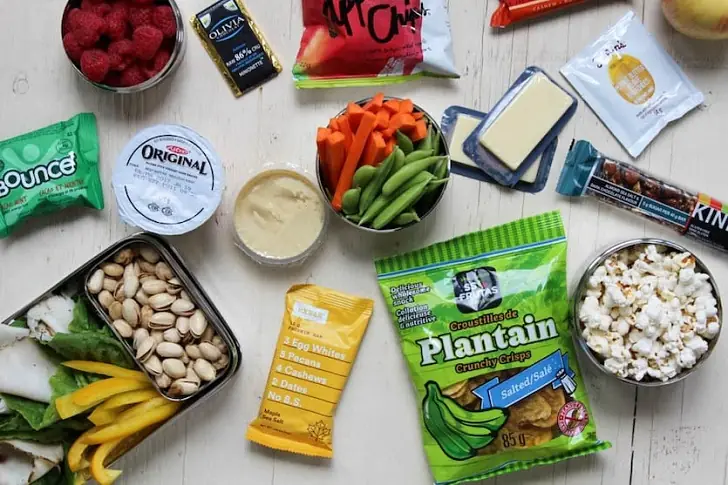
If you’re concerned about the safety of the food and drinks available while traveling, consider packing your snacks. This way, you can ensure that you have safe and healthy options and won’t have to rely on potentially unsafe food options.
Consider Food Allergies and Intolerances
You must be cautious when traveling if you have food allergies or intolerances. Make sure to communicate your dietary needs clearly to restaurant staff, and always check food labels and ingredient lists before consuming any food.