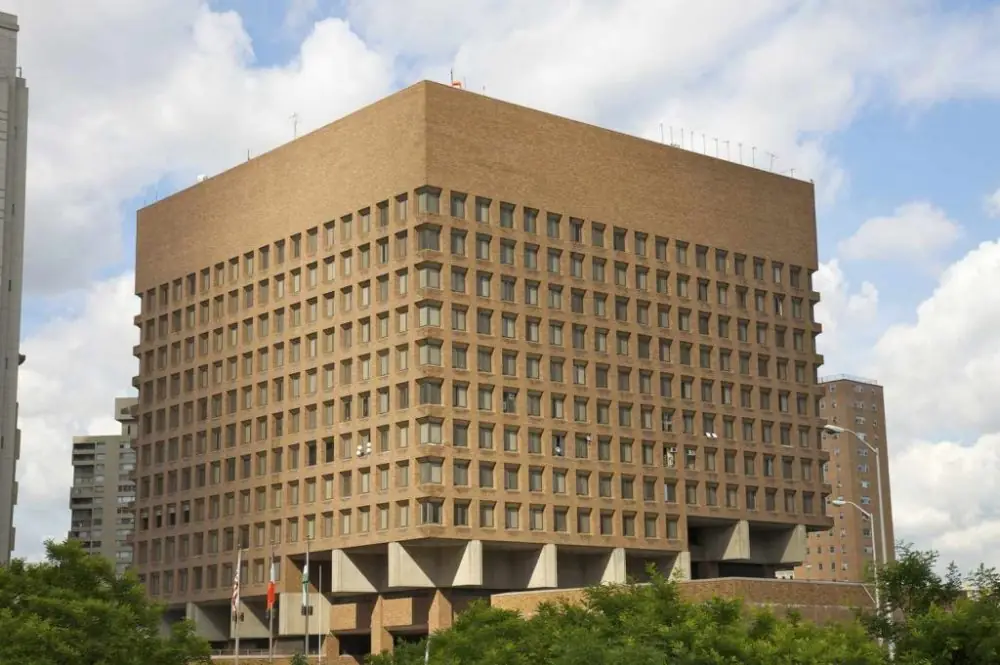
Have you ever walked by a building that made you feel like you have stepped into a scene from a dystopian movie? Chances are, you were looking at a Brutalist structure. But what is Brutalist architecture, really? This architectural style is far more than just its stark, imposing appearance.
The term “Brutalism” comes from the French phrase “béton brut,” meaning “raw concrete,” which accurately reflects the style’s embrace of exposed materials and structural elements.
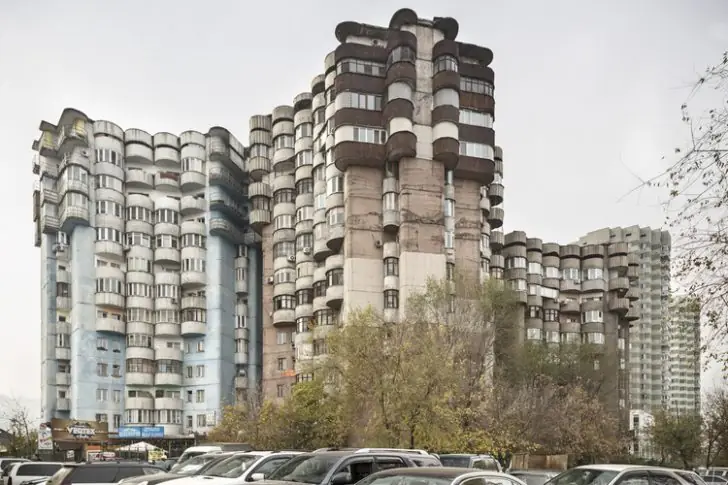
Brutalist buildings are known for their massive forms, repetitive angular geometries, and a functional approach that often conveys a sense of strength and fortress-like solidity.
The Roots & Rise of Brutalism
The history of Brutalist architecture is deeply intertwined with the post-war era, where there was an urgent need for new buildings, from housing to institutions, that could be constructed quickly and economically. The style emerged as a reaction against the lightness, optimism, and frivolity of mid-century modern designs.
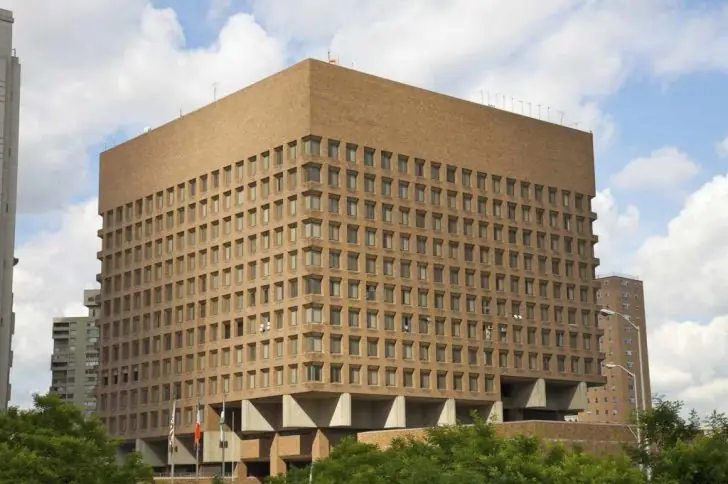
In the 1950s and 1960s, Brutalism became popular across the globe, particularly for educational and government buildings, due to its cost-effectiveness and functionality. For instance, Le Corbusier’s Unité d’Habitation in Marseille and the Yale Art and Architecture Building by Paul Rudolph are quintessential examples that showcase the bold, sculptural forms of Brutalist architecture.
What is the Philosophy Behind Brutalism?
The Brutalism philosophy extends beyond mere architectural style, reflecting a deeper ideological framework. It was about honesty in materials and design, showcasing the bare building materials and structural elements without covering them with decorative designs.
Brutalism can be seen as a form of expression that reflects the socioeconomic conditions of its time, often associated with a socialist utopian ideology. It was meant to be a democratic architecture: Functional, affordable, and accessible.
However, Brutalism was not just about function and economy. It also aimed to make a statement. The imposing structures were intended to evoke a sense of awe and smallness, a reminder of the grandeur of communal and civic life, contrasting sharply with the individualism of previous architectural styles.
What was the Problem with Brutalist Architecture?
While Brutalism was born out of a blend of practicality and philosophy, it was not long before the style faced significant criticism. What was the problem with Brutalist architecture? For many, the stark, concrete buildings came to be seen as oppressive and unwelcoming. The rough, unfinished surfaces were often perceived as uninviting and cold, while the dominance of concrete gave these structures a gloomy or even prison-like appearance.
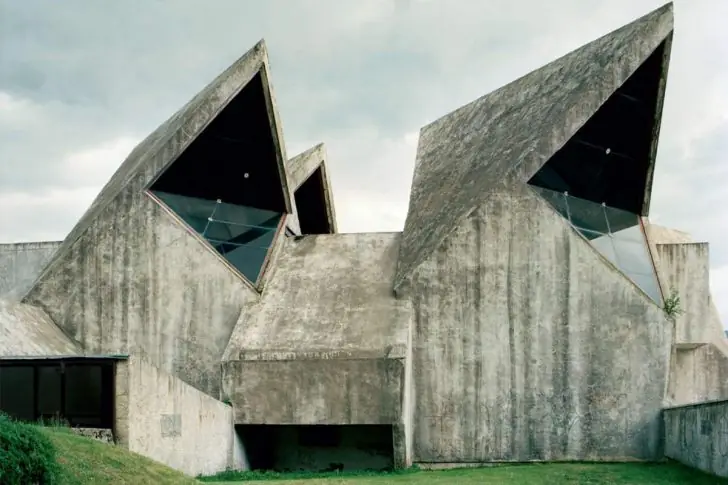
As these buildings aged, the maintenance of concrete became a challenge. Weathering and urban pollution took their toll, making many Brutalist buildings look rundown and unattractive, which only fueled public dislike and calls for their demolition.
New generations of architects and laypeople have come to appreciate the raw beauty and powerful form of Brutalist structures. This renewed interest is partly due to a greater understanding of the style’s historical significance and its potential for adaptation and reuse in contemporary urban landscapes.
So, what is Brutalist architecture, after all? It is more than just an architectural style. It is a reflection of a particular moment in history, an ideology, and a reaction to the human condition. While Brutalism may not be universally loved, its impact on architectural thought and urban planning is undeniable.