

Fast fashion has become a global phenomenon, transforming how we shop for clothing and altering the fashion industry landscape. It offers consumers trendy and affordable clothing at breakneck speed, but beneath the glamour and convenience, a hidden cost extends far beyond the price tag.
The true cost of fast fashion encompasses environmental degradation, labor exploitation, and detrimental impacts on society. In this article, we will delve into the multifaceted consequences of fast fashion, shedding light on its hidden expenses that go well beyond our wallets.
Environmental Impact
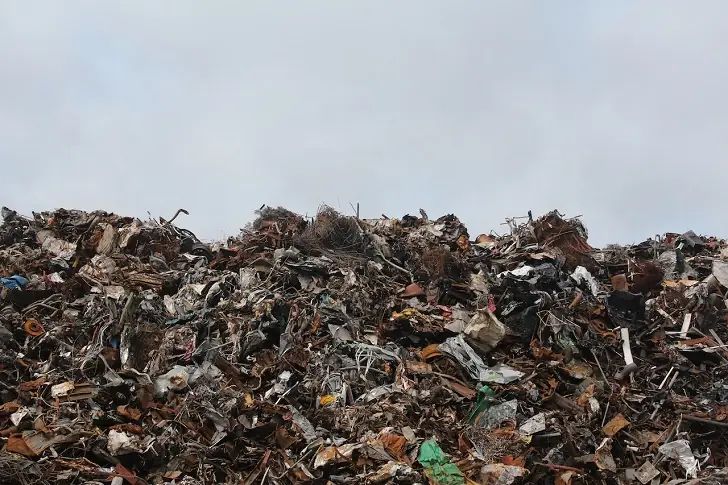
Fast fashion’s rapid production and disposal cycle wreaks havoc on the environment. One of its most prominent environmental costs is the staggering volume of textile waste it generates.
The cheap, disposable nature of fast fashion encourages consumers to buy more, wear less, and dispose of clothing at an alarming rate. According to the Environmental Protection Agency (EPA), the United States alone generated over 17 million tons of textile waste in 2018, much of which ended up in landfills.
Additionally, fast fashion’s reliance on synthetic fabrics like polyester contributes to microplastic pollution. As these synthetic materials break down, they release tiny plastic particles into our oceans and waterways, harming marine life and contaminating our ecosystems.
The production process of fast fashion is equally destructive. It relies heavily on water and chemical-intensive processes, such as dyeing and finishing, leading to pollution of water sources and soil degradation. Furthermore, transporting goods globally contributes to carbon emissions and exacerbates climate change.
Human Exploitation
Behind the glossy advertisements and enticing price tags, the fashion industry conceals a grim reality for the workers who produce these garments. Fast fashion thrives on low labor costs, often outsourcing production to countries with lax labor regulations. This creates an environment where workers are subjected to poor working conditions, low wages, and abuse.
In many cases, garment workers toil in sweatshops, working long hours in unsafe environments for wages that are far from livable. According to the Fashion Revolution’s Fashion Revolution Week 2021 report, the global fashion industry employs approximately 75 million people, many of whom experience exploitation and unsafe working conditions.
Child labor is another grave concern in the fast fashion industry. Children are often forced to work in hazardous conditions, depriving them of their right to education and a safe childhood.
Societal Implications
Fast fashion’s impact extends beyond the environment and labor. It also influences our culture and societal values. The constant pressure to keep up with rapidly changing trends fosters a culture of overconsumption and disposability.
This mindset promotes a throwaway culture that devalues clothing longevity and prioritizes quantity over quality. Furthermore, fast fashion encourages unrealistic beauty standards and promotes a culture of comparison.
Social media platforms amplify this by daily showcasing influencers and celebrities in new outfits. As a result, many consumers feel compelled to constantly update their wardrobes, leading to excessive spending and unsustainable consumption patterns.
Lack of Transparency
One of the biggest challenges in addressing fast fashion’s true cost is the industry’s lack of transparency. Many fast fashion brands do not disclose their supply chain practices, making it difficult for consumers to make informed choices.
This opacity also allows brands to turn a blind eye to labor exploitation and environmental harm in their production processes. However, there is hope on the horizon. Transparency initiatives, such as the Fashion Revolution’s Fashion Revolution Week, have emerged to encourage brands to disclose information about their supply chains.
Some companies are taking steps to improve transparency and sustainability practices, but there is still a long way to go.
Solutions and Responsible Consumer Choices
While fast fashion has undeniably severe consequences, consumers can play a vital role in promoting positive change. Here are some steps individuals can take to reduce the true cost of fast fashion:
Choose Quality Over Quantity: Invest in high-quality, timeless pieces that will last longer and resist the lure of cheap, disposable items.
Support Ethical Brands: Seek out brands prioritizing transparency, ethical labor practices, and sustainable materials.
Reduce, Reuse, Recycle: Embrace a more sustainable wardrobe by shopping secondhand, upcycling, and recycling clothing items.
Educate Yourself: Stay informed about the fashion industry’s impact and make responsible choices based on your values.
Advocate for Change: Support organizations and initiatives advocating for fair labor practices, environmental sustainability, and ethical fashion.