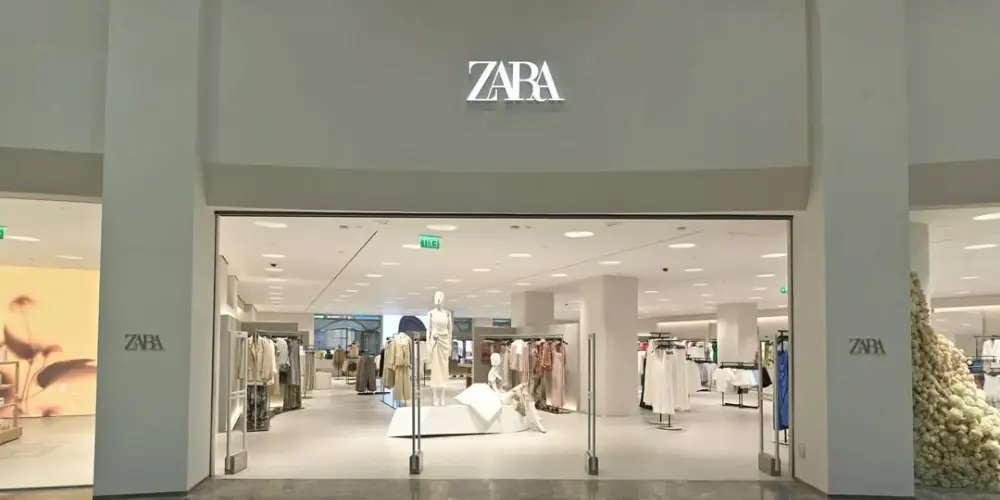
Zara might not flood your social feed with ads or launch flashy campaigns, but walk into almost any major shopping district around the world, and you’ll see the Spanish brand front and center.
What makes Zara stand out isn’t just the clothes—it’s how the entire brand operates behind the scenes. From rapid design cycles to smart logistics, Zara has built a model that redefines fast fashion—quietly and efficiently.
HowZaraKeepsItsEdgeinaCompetitiveMarket
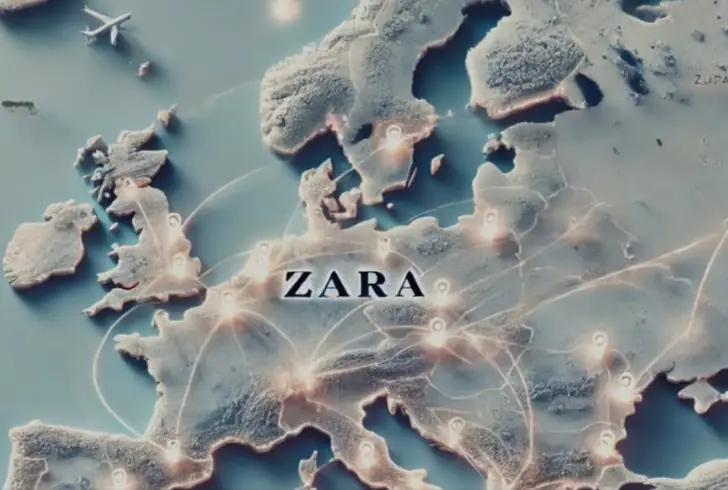
Owned by Inditex, the largest fashion retailer globally, Zara has grown into a retail powerhouse with stores in 97 countries. It shares its corporate home with brands like Pull & Bear and Massimo Dutti, but it’s Zara that leads the pack with its high turnover of styles and trend-driven approach.
While other brands focus on big seasonal drops, Zara shifts the fashion calendar. Instead of two or four major releases, Zara introduces new pieces weekly. This agile model allows it to respond fast to changing customer preferences—often going from sketch to store in just weeks.
And Zara doesn’t rely on far-off production hubs like many of its competitors. About half of its manufacturing happens in Spain, Portugal, Morocco, and Turkey. That proximity shortens timelines, boosts quality control, and keeps the collections relevant.
TheSecretIsintheProcess
At the company’s headquarters in Galicia, Spain, the operation is more high-tech and hands-on than you’d expect. In one part of the campus, you’ll find seasoned pattern makers like Mar Marcote, who has spent over four decades with the brand. She still uses a magnifying glass to inspect clothing before it gets the green light.
“When you see something come together and realize it might be one of the pieces that sells out—that’s a great feeling,” she shared, smiling as she stood among stacks of fabric samples.
Designers, including Mehdi Sousanne, work with a mix of instinct and trend insights. “There’s no set formula—it’s about feel,” he said. He explained that inspiration comes from everything—from films like “La La Land” to what people are wearing in coffee shops.
Designs start on paper, get pinned on mannequins, and are quickly transformed into fabric samples right at the headquarters. Seamstresses are on standby to bring the sketches to life for first fittings. This on-the-spot process speeds up decisions and helps the design team refine pieces quickly before they go into full production.
Tech,Feedback,andData
While Zara is hands-on with its design and manufacturing, it’s equally precise with logistics and data. Every product is packed and shipped from its main Spanish hubs, and there’s also a major distribution center in the Netherlands.
CEO Oscar Garcia Maceiras emphasized that the company’s success lies in how it uses data. “We make decisions at the last possible moment because that gives us the most accurate read on what our customers actually want,” he said. That real-time insight gets shared with designers, buyers, and store teams—shaping what ends up on shelves.
Zara’s approach to sales also stands out. The brand doesn’t use ongoing markdowns or flash deals to drive sales. Instead, it sticks to just two sales periods a year—winter and summer.
FacingOff WithFastFashionGiants
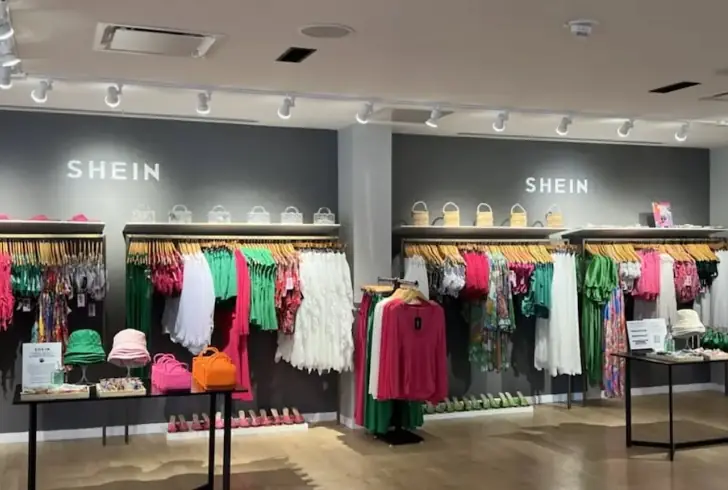
Despite all its strengths, Zara isn’t immune to the challenges of today’s retail environment. Competitors like Shein and Temu have grown quickly by offering extremely low prices and a constant stream of new styles. In 2023 alone, Shein racked up $38 billion in global sales.
But Zara isn’t racing them to the bottom. Maceiras clarified that pricing is just one piece of the puzzle. “We’re focused on offering fashion that feels inspiring and creative, while also being affordable,” he noted. “It’s about offering value through quality and design, not just price tags.”
StayingTruetoItsRoots
Zara’s founder, Amancio Ortega, is still part of the story. Though he remains out of the public eye, his presence is still felt at HQ. His daughter, Marta Ortega, now chairs the Inditex group, continuing the family’s close connection to the company’s direction.
“He’s around, whether it’s physical or just in spirit,” Maceiras shared.
Zara may not shout the loudest, but it’s managed to become one of the most influential fashion brands in the world. Its mix of creativity, control over the supply chain, and data-backed decision-making allows it to stay ahead, even in a fast-moving, crowded industry.
As fashion trends shift and new players enter the market, Zara proves that staying flexible, focused, and thoughtful can still win the race.