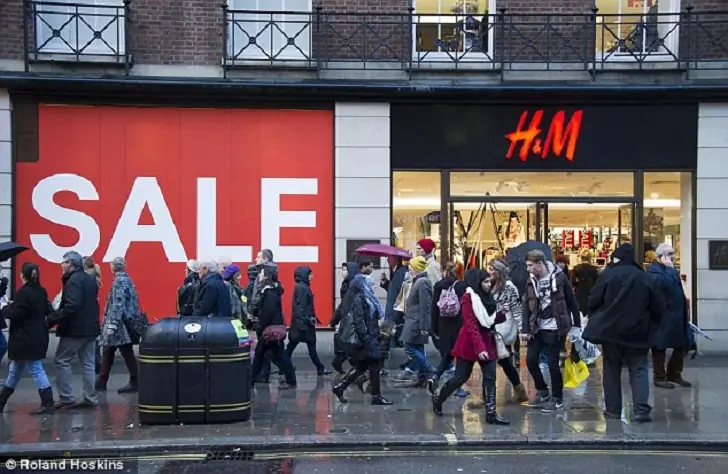
High street fashion has become more and more popular over years, thanks to retailers like H&M and Zara, but the 4,414 new styles H&M released to its U.S. website this year aren’t even the worst of it. Shein, a Chinese fashion shopping website, has around 315,000 new styles on its website this year alone, and it was reportedly valued at $100 billion.
Shein UK offers 4,029 items in its under-£5 category, with numerous crop tops and miniskirts going for a startlingly low $1.99. Fashion, especially the cheap kind, is addictive.

Because of this, high-speed fashion companies like Shein continuously broaden their selection of available styles, while social media advertisements and user-generated material like “haul videos” make sure that fashion junkies never stop using their drugs.
The pleasant, talkative tone makes viewers forget they see advertisements, even though some of these videos are sponsored by the firms. The idea of ordering bags of clothes every week is normalized by wealthy YouTubers posing as everyday consumers. We shall dig into the world of high-speed fashion in the following section.
What Is Fast Fashion?
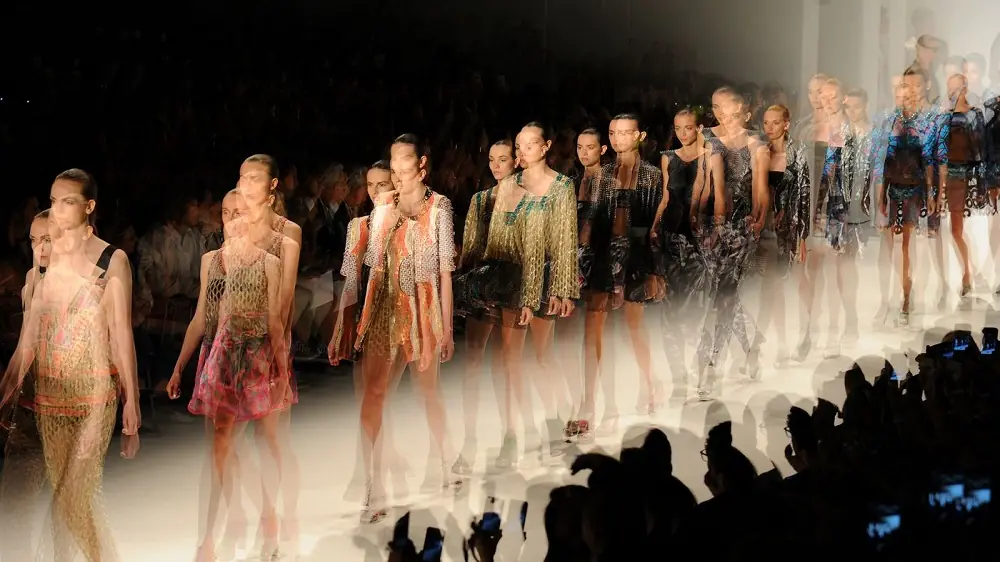
The phrase “fast fashion” refers to clothing designs quickly transferred from runways to retail outlets to capitalize on trends. The fashions seen in Fashion Week catwalk shows or worn by celebrities frequently inspire the collections. Fast fashion enables average consumers to affordably buy the hottest new look or the next big thing.
Fast fashion spread as a result of more affordable, quick manufacturing and shipping processes, customers’ growing appetite for contemporary fashions, and consumers’ increased purchasing power, particularly among young people, to satisfy these desires for fast gratification.
Fast fashion poses a threat to the established clothing labels’ practice of releasing new collections and lines on a systematic, seasonal basis as a result of all of the aforementioned factors. In order to keep current, fast-fashion retailers frequently launch new products several times in a single week.
How to spot a fast fashion brand
These crucial elements characterize rapid fashion companies:
- There are thousands of styles covering all the most recent trends.
- Very little time passes from the time a trend or item is visible on the catwalk or in celebrity media to when it is available in stores.
- Offshore manufacturing uses low-wage employees without proper rights or safety measures, as well as complex supply chains with limited visibility past the top tier, where labor is most affordable.
- Zara invented the concept of having only a certain amount of a particular item of clothing. This way, customers are aware that if they don’t buy anything they like, they’ll probably miss their chance because new stuff is constantly appearing in stores.
- Polyester and other low-cost, low-quality fabrics cause clothing to wear out quickly and need to be thrown away, not to mention the microfibre shedding problem.
Environmental problems with fast fashion
The constant production of new clothing has a high environmental cost. The industry uses 93 billion cubic meters of water annually, enough to supply five million people with all their needs, and is responsible for 20% of the industrial water pollution because of the treatment and dyeing of textiles.
The materials and methods employed have a lot of issues as well. For instance, 16% of insecticides and 6% of pesticides used globally are used in cotton production.
Additionally, the sector has a significant carbon footprint, contributing up to 10% of the world’s overall carbon emissions, and is projected to grow by 50% by 2030. The aforementioned issues are widespread in the apparel industry, but plastic is a unique hazard to fast fashion.